ADVERTISEMENT
ADVERTISEMENT



Rep. Bera moves to expand access to general surgery
The bill would direct federal health officials to identify and address gaps in access to surgical care in underserved and rural communities.
-
 Malvika Choudhary
 - Mon, 26, Jan 2026
- 11:07 EST
- 119
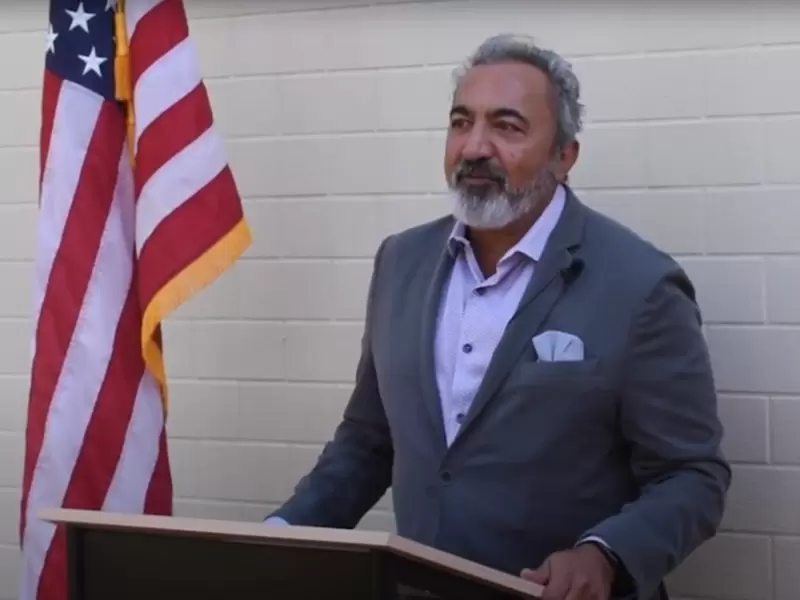 Ami Bera / Screengrab from a press conference
Indian American Congressman Ami Bera (D-CA) on Jan. 22 introduced bipartisan legislation aimed at improving access to general surgical care in underserved communities.
The Ensuring Access to General Surgery Act of 2026 would direct the Health Resources and Services Administration (HRSA) to study how underserved populations access general surgeons and to develop a framework for designating “general surgery shortage areas.”
Also Read: U.S. Congressmen play down trade frictions, stress long-term India ties
The bill was introduced with Representatives Scott Peters (D-CA), Don Bacon (R-NE) and John Joyce (R-PA).
The legislation comes amid growing concern over nationwide disparities in access to surgical care, particularly in rural and underserved areas. A 2020 HRSA report found that
rural regions have only about 69 percent of the general surgeons needed to meet demand.
The Association of American Medical Colleges has projected that the United States could face a shortage of between 10,100 and 19,900 surgeons by 2036 as demand continues to outpace supply.
Under current workforce patterns, many Americans, especially in rural areas, must travel long distances to access surgical services, a situation health researchers often describe as part of broader “medical deserts,” where access to essential care, including emergency services, is limited.
Rural areas are disproportionately affected by physician shortages, with far fewer surgeons practicing there compared to urban centers.
“As a physician, I’ve seen how delays in care can turn treatable conditions into emergencies,” Bera said. “When families can’t access a general surgeon close to home, it can mean hours on the road, longer wait times, and worse outcomes.
This bipartisan bill will help us better identify where the gaps are so we can strengthen access to timely surgical care and make sure your ZIP code doesn’t determine whether you can get the care you need.”
Peters said many communities currently lack access to general surgery, preventing patients from receiving needed care, and said identifying underserved areas is the first step toward expanding access.
Bacon said the bill would require HRSA to conduct a comprehensive, data-driven study examining factors such as travel times and hospital capabilities to better target federal resources.
Joyce said access to general surgery is especially critical in rural areas and that better data would help address long-standing gaps in care across the country.
The American College of Surgeons backed the proposal, with its executive director and CEO Patricia L. Turner saying additional research is needed to identify critical shortage areas and that formally designating such areas would give the federal government a new tool to expand access to surgical care.
Under the bill, HRSA would evaluate whether existing federal shortage designations, such as Health Professional Shortage Areas, accurately reflect access to surgical care.
The agency would develop a data-driven method to identify general surgery shortage areas, taking into account factors including travel time, wait times, health outcomes, and the status of critical access hospitals that have surgical capabilities but lack a general surgeon.
Discover More At New India Abroad.
Leave A Comment
Related









ADVERTISEMENT

ADVERTISEMENT
E Paper
Video

Comments
Start the conversation
Become a member of New India Abroad to start commenting.
Sign Up Now
Already have an account? Login