ADVERTISEMENT

ADVERTISEMENT

Indian startup founder denied U.S. visa over "insufficient ties"

Srivastav’s post quickly drew responses from entrepreneurs, professionals, and frequent travelers who shared similar experiences with US visa applications.

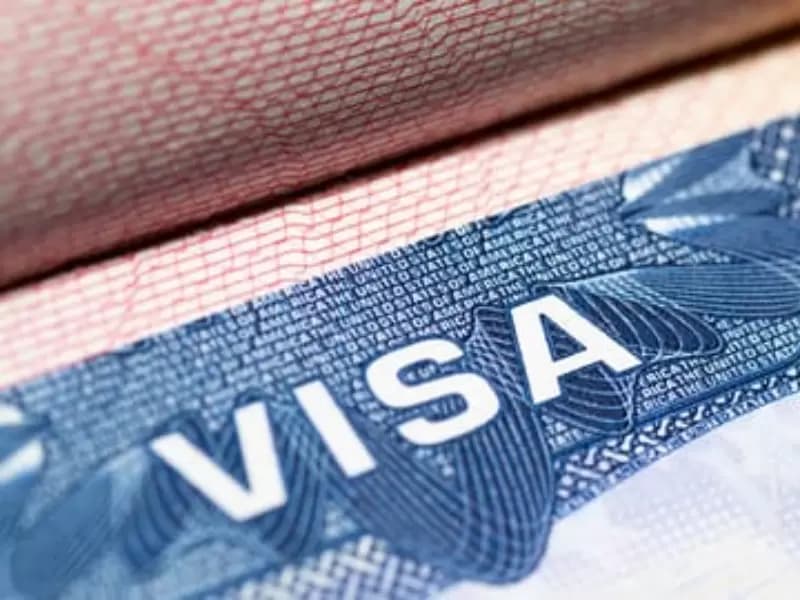
 US VISA US VISA / IANS

Swapnil Srivastav, co-founder of bamboo- based children's apparel brand Kidbea, shared the experience on social media, expressing surprise that his entrepreneurial achievements were not considered strong enough evidence of his intent to return to India.

“Got denied a US visa today. Reason: ‘Not enough ties to home country,’” Srivastav wrote. He noted that he had built a Series A startup from scratch, employs more than 100 people, has backing from leading investors, and serves millions of Indian families through the brand.

Also Read: Indian origin scholar named Stigler Center Affiliate fellow

“Apparently, that's not enough ties,” he added, saying he plans to reapply in the future and sought advice from others who had successfully obtained visas after an initial rejection.

Kidbea, founded in 2021, is a direct-to-consumer children's clothing brand focused on bamboo-based products. The company has raised funding from venture capital firms and investors and has emerged as one of India's growing consumer startups.

Srivastav’s post quickly drew responses from entrepreneurs, professionals, and frequent travelers who shared similar experiences with US visa applications. Several users suggested that business ownership and startup leadership do not automatically translate into strong evidence of return intent in the eyes of visa officers.

Others pointed to factors such as property ownership, family members residing in India, and previous international travel history as elements that often carry greater weight during visa assessments.

Immigration experts note that under US visa rules, applicants for tourist visas must satisfy consular officers that they intend to return to their home country after their visit. The evaluation is based on an applicant’s overall profile, including personal, financial, and social ties.

Some observers said the case highlights the challenges even successful entrepreneurs can face when navigating visa procedures, where professional accomplishments alone may not be enough to establish eligibility.

The incident has also reignited debate among Indian startup founders about the subjective nature of visa decisions and the difficulties faced by business leaders seeking entry to the United States for tourism, networking, or industry events.

Discover more at New India Abroad.

Comments

Related