ADVERTISEMENT
ADVERTISEMENT



India-U.S. can build stronger agricultural partnerships, says IFFCO chairman
IFFCO Chairman Dileep Sanghani says his recent U.S. visit opened new avenues for cooperation in agriculture, technology, sustainable farming, and cooperative development, with the goal of bringing global best practices and market opportunities to Indian farmers.
-
1759953093.png) Staff Reporter
Staff Reporter - Wed, 03, Jun 2026
- 12:41 EDT
- 326
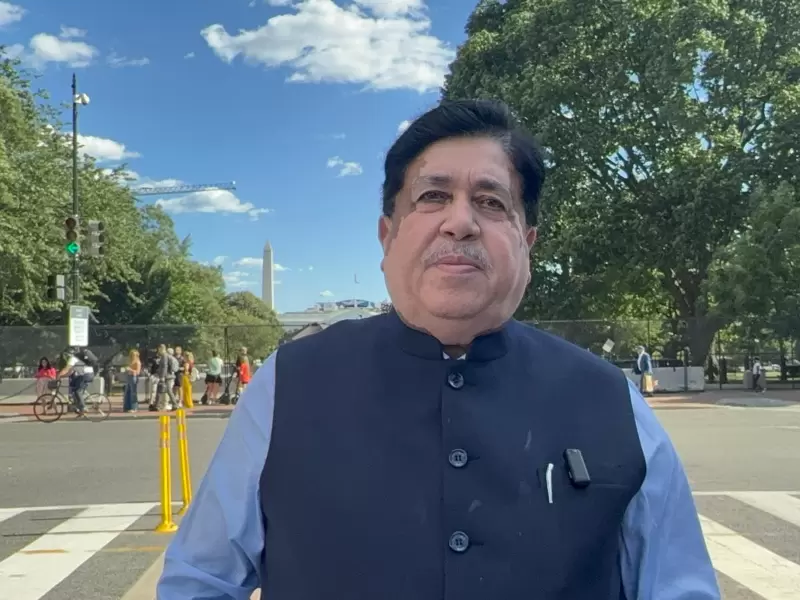 Dileep Sanghani, Chairman, IFFCO & Chairman, Committee of Cooperatives, PHDCCI / New India Abroad
India and the United States have significant potential to deepen cooperation in agriculture, innovation, and the cooperative sector, according to Indian Farmers Fertiliser Cooperative Limited (IFFCO) chairman Dileep Sanghani, who recently led a delegation visit to the U.S. The visit focused on exploring partnerships in agricultural trade, technology, sustainable farming, and farmer-centric institutions, with an emphasis on bringing global best practices and new opportunities to benefit Indian farmers and rural communities.
Interview Excerpts:
Q1. What was the primary objective of this visit to the United States?
Dileep Sanghani:The primary objective of this delegation visit was to strengthen cooperation between India and the United States in the areas of cooperatives, agricultural trade, innovation, sustainable farming, and institutional partnerships. We engaged with leading American cooperative organizations, policymakers, universities, and industry associations to explore opportunities for collaboration that can benefit farmers and rural communities in both countries.
Q2. What was the most significant achievement of this visit?
Dileep Sanghani:One of the most significant outcomes was gaining firsthand insights into the U.S. cooperative model, agricultural supply chains, farmer-centric institutions, and global market systems. We also witnessed strong interest among several American organizations in collaborating with India's cooperative sector.
Q3. How will Indian farmers benefit from this visit?
Dileep Sanghani:Our goal is to bring global best practices, advanced technologies, value-addition opportunities, export linkages, and modern supply chain systems closer to Indian farmers. Such collaborations can help enhance farmers' incomes, improve productivity, and make Indian agriculture more competitive globally.
Q4. What can India learn from the U.S. cooperative model?
Dileep Sanghani: American cooperatives place strong emphasis on professional management, member participation, technology adoption, and market-oriented operations. India already has a strong cooperative foundation. By integrating advanced technology and greater global market access, our cooperatives can become even more effective and impactful.
Q5. What role did IFFCO play during this visit?
Dileep Sanghani: IFFCO has always prioritized the welfare of farmers. During this visit, our role was to understand global best practices, identify opportunities for collaboration, and explore innovative business and technological solutions that can benefit Indian farmers and the cooperative sector.
Q6. Do you see new opportunities in India–U.S. agricultural trade?
Shri Dileep Sanghani: Yes, absolutely. There are significant opportunities in agri-processing, food products, agricultural technology, research collaboration, supply chain management, and value-added agricultural products. The strengths of both countries complement each other and create a strong foundation for future partnerships.
Q7. What discussions took place regarding climate change and sustainable agriculture?
Dileep Sanghani: Climate-smart agriculture, efficient resource utilization, soil health, water conservation, and sustainable farming practices were key topics of discussion. These areas are critical for ensuring long-term agricultural productivity and food security in the face of climate challenges.
Q8. Are there any possibilities of formal agreements or partnerships emerging from this visit?
Dileep Sanghani: This visit was primarily focused on relationship-building and identifying areas of mutual interest. Several productive discussions took place, and we are optimistic that these engagements will lead to meaningful partnerships and collaborative initiatives in the future.
Q9. How do you view the future of the cooperative movement in India?
Dileep Sanghani: India's cooperative movement is among the largest in the world. With continued government support, technological innovation, youth participation, and international collaboration, the future of the cooperative sector is extremely promising and will play a vital role in rural development and economic growth.
Q10. What is your overall message following this visit?
Dileep Sanghani: Cooperation is not merely an economic model; it is a powerful instrument for social and collective development. This visit marks another step forward in strengthening India–U.S. relations and expanding opportunities for farmers and cooperative institutions. Our commitment is to ensure that global knowledge, innovation, and partnerships translate into tangible benefits for farmers, rural communities, and future generations.
Discover more at New India Abroad
Leave A Comment
Related







.png)
ADVERTISEMENT

ADVERTISEMENT
E Paper
Video

Comments
Start the conversation
Become a member of New India Abroad to start commenting.
Sign Up Now
Already have an account? Login