ADVERTISEMENT
ADVERTISEMENT



Trump admin mulls revising eligibility for H-1B cap exemptions
The rule is under review at the federal Office of Management and Budget (OMB).
-
1759953093.png) Staff Reporter
Staff Reporter - Fri, 14, Aug 2026
- 00:41 EDT
- 38
 DHS / DHS VIA X
The Trump administration plans to reform the H-1B visa program by revising eligibility for cap exemptions, providing greater scrutiny for employers that have violated program requirements and increasing oversight over third-party placements, among other provisions.
The proposed rule, “Reforming the H-1B Nonimmigrant Visa Classification Program,” posted in the Federal Register, shows the action date as August 2026. It was initially posted last year with the action date as December 2025.
ALSO READ DOL Inspector General visits Dallas to probe H-1B fraud
The rule is under review at the federal Office of Management and Budget (OMB).
“DHS (Department of Homeland Security) proposes to reform the H-1B program by revising eligibility for cap exemptions, providing greater scrutiny for employers that have violated program requirements, and increasing oversight over third-party placements, among other provisions,” according to the proposed rule.
These changes are intended to improve the integrity of the H-1B nonimmigrant program and better protect U.S. workers' wages and working conditions.
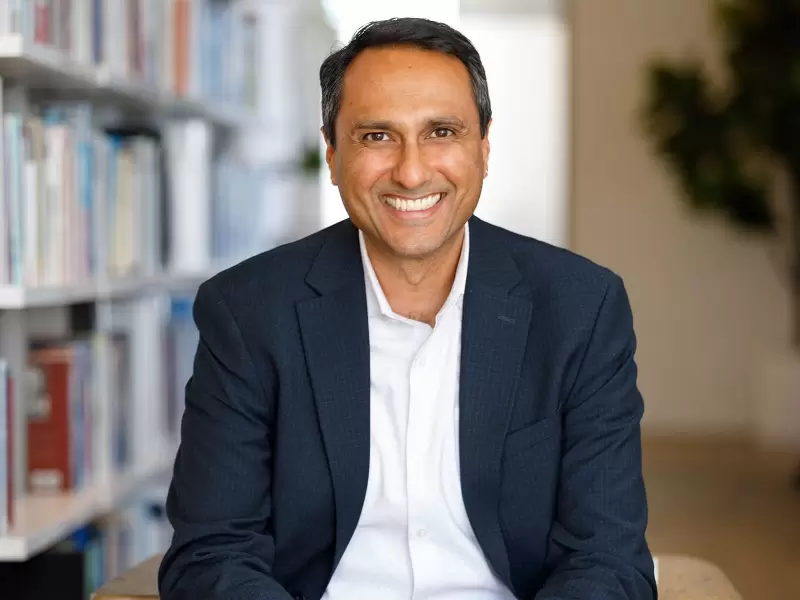
Former White House Commissioner Ajay Jain Bhutoria welcomed the move.“I welcome these proposed DHS H-1B reforms. Increased oversight on third-party placements and greater scrutiny on rule-breaking employers are key to curbing staffing firm abuse, protecting wages, and restoring program integrity,” he said in a post on X.
I welcome these proposed DHS H-1B reforms. Increased oversight on third-party placements and greater scrutiny on rule-breaking employers are key to curbing staffing firm abuse, protecting wages, and restoring program integrity. pic.twitter.com/z8PpmVteH8
— Ajay Jain Bhutoria (@ajainb) August 13, 2026
The U.S. H-1B visa is a nonimmigrant work visa allowing U.S. employers to hire foreign workers in specialty occupations requiring theoretical or technical expertise.
The annual H-1B visa cap is set at 65,000 visas under the regular cap (with up to 6,800 set aside for Chile and Singapore free trade agreements) plus an additional 20,000 advanced degree exemption for individuals holding a master's degree or higher from a U.S. institution.
Enhancing oversight over third-party placement setups means cap-exempt or cap-subject organizations placing workers at client/customer work sites will face strict qualifying tests.
The DHS this month also proposed to eliminate the 60-day grace period that allows H-1B workers and certain other legal nonimmigrants to remain in the U.S. after their employment ends.
Bhutoria had condemned the proposal, warning the move will cause severe disruption for immigrant families and massive loss of highly skilled talent to the American economy.
Discover more at New India Abroad.
Leave A Comment
Related

 (1).jpg)




ADVERTISEMENT

ADVERTISEMENT
E Paper
Video

Comments
Start the conversation
Become a member of New India Abroad to start commenting.
Sign Up Now
Already have an account? Login