ADVERTISEMENT
ADVERTISEMENT



The Spice, the Silk, and the Next-Gen Shift: Can Artesia’s Little India Modernize?
Can Artesia’s historic enclave adapt to the 21st century, or is it destined to become a nostalgic open-air museum? New India Abroad investigates
-
 Pallavi Mehra
 - Fri, 31, Jul 2026
- 03:53 EDT
- 29
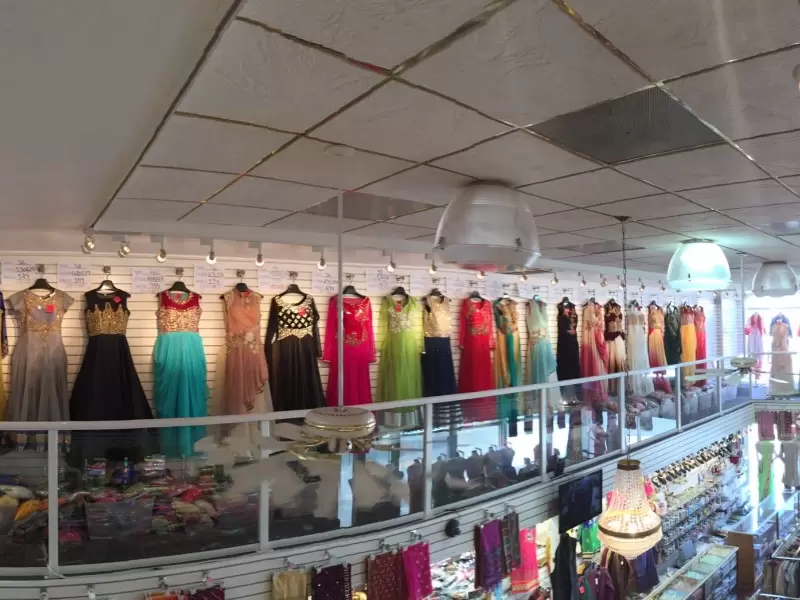 Loveleen sari Palace in Artesia / Loveleen sari Palace
For decades, if you grew up South Asian in Southern California, Pioneer Boulevard in Artesia was a rite of passage. It’s where you were dragged on a hot Saturday afternoon to stand on your feet for three hours while your mother or aunt scrutinized sixty identical shades of marigold silk. It’s where the air smelled of freshly fried samosas, sweet gulab jamun, and diesel exhaust. For generations, this four-block stretch in the South Bay served as the undisputed cultural and commercial heartbeat for SoCal’s Indian diaspora.
But step onto Pioneer Boulevard today, and the rhythm feels… different. The glittering neon signs advertising 22-karat gold jewelry and bridal sarees are still there, but the bustling crowds of the ‘90s and 2000s have thinned out. Between the long-standing sweet shops, a few shuttered storefronts peek through. E-commerce, changing suburban demographics, and a younger generation that buys its kurti sets on Instagram and gets its turmeric lattes at hip Westside cafes have pushed Little India to a critical crossroads.
Artesia: The Guard of the Golden Age
To understand where Pioneer Boulevard is going, you have to understand what it was built for.
“When it opened in the early eighties, people drove from San Diego, Bakersfield, even Las Vegas just to buy authentic spices and get their bridal clothes fitted,” says Nikhil S., a marketing executive based in West Hollywood, who has been going to Artesia for decades. “Back then, there was no Amazon Prime delivering kasuri methi to your doorstep in 24 hours. If you wanted a taste of home or needed to pull off a 500-person wedding, Pioneer Boulevard was your only lifeline.”
For decades, business was simple: stock high-end textiles, keep the mithai counter overflowing with kaju katli, and the families would come. But retail habits have shifted dramatically. Second and third-generation Indian Americans aren't necessarily making the weekend pilgrimage to Artesia when they can order designer fusion wear online or hit up local suburban hubs closer to their homes in Irvine or the San Fernando Valley.
The New Wave: Fusion, Matcha, and Pop-Ups
Enter the reinventors. A rising wave of young entrepreneurs, modern importers, and creative culinary minds are attempting to inject fresh energy into the district, without erasing its soul. They’re reimagining what Little India can offer a younger, hyper-curated aesthetic.
“Younger South Asians still want to connect with their culture, but they want to do it on their terms," explains Sikandar S., based in Westwood, who frequents Artesia almost every weekend. “They want more than a traditional grocery run. They want a space to hangout, somewhere they can grab a cardamon-rose oat milk latte, shop for sustainably sourced diaspora-owned clothing brands, and listen to a DJ spinning South Asian vinyl edits.”
A few doors down, modern specialty grocers are replacing dusty, floor-to-ceiling sack piles with sleek aisles featuring organic regional spices, cold-pressed juices, and imported craft snacks from South Asian startups across the globe. Meanwhile, fusion cafes are taking classic street food and giving it a SoCal spin, think tikka masala burritos, masala chai boba, and paneer avocado toast.
Tradition Meets Tomorrow: A Balancing Act
In Artesia, the tension between the old guard and the new wave is a delicate dance. Legacy owners are beginning to realize that the hipster cafes and boutique pop-ups aren’t driving away business; they’re bringing foot traffic back to the Boulevard. In turn, the younger entrepreneurs rely on the authentic groundwork laid by the pioneers who built the neighborhood from scratch.
“Little India doesn't need to change what it is, it just needs to expand its conversation,” concludes Nikhil. “If a cardamom latte gets them through the door, maybe they’ll step inside and take a look at a silk scarf on their way out.”
Therefore, Artesia’s Little India is far from fading out, it’s undergoing a vibrant rebrand. By leaning into culinary innovation, experiential retail, and cultural events that appeal to multi-generational crowds, Pioneer Boulevard is proving that heritage and modernization aren’t mutually exclusive. It remains SoCal’s home of gold, silk, and spice, just with a little extra espresso and a lot more flavor.
Discover more at New India Abroad.
Leave A Comment
Related







ADVERTISEMENT

ADVERTISEMENT
E Paper
Video

Comments
Start the conversation
Become a member of New India Abroad to start commenting.
Sign Up Now
Already have an account? Login