ADVERTISEMENT
ADVERTISEMENT



Breaking down Christmas traditions: From Santa to Yule Logs
This Christmas, dive into the enchanting origins of our favorite traditions, from evergreen pines symbolizing hope to gingerbread men born from royal whims.
-
 Jeffin T. Kaleekal
 - Thu, 25, Dec 2025
- 00:00 EST
- 76
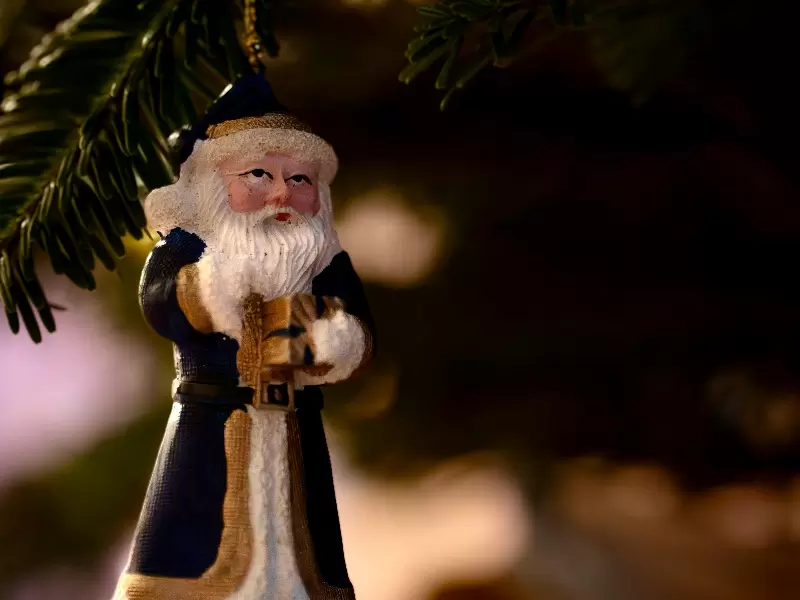 Representative image / Pexels
Ever wondered why everyone decorates Pine Trees for Christmas or why gingerbread men and gingerbread houses are all the rage during the holiday season. This Christmas, you wouldn't have to wonder anymore, and not just that, you could spread a little bit of holiday knowledge along with the holiday cheer.
The Christmas Tree
The pine trees that get adorned and adored find their roots in Christmas celebrations from Northern European countries. The Pine trees are evergreen trees and do not wither away even during the harshest winters, symbolising hope that the Winter will give way to Spring. The tree became a symbol within the home of looking forward to the new year.
The Santa Claus
Santa Claus is the modern recreation of a saint from 200AD. Living in modern-day Turkey, St. Nicholas was known as an incredibly pious and benevolent figure who gave away all of his inherited wealth to the poor.
Jolly-old-Nick acquired his present form with the long white beard and red-white dress until the 18th or 19th century when he started being associated with the loveable old man who defies time and pulls off an express gift-delivery for all the kids worldwide.
The Christmas stocking
Closely associated with St. Nicholas, the tale of stockings is that St. Nicholas once heard a woman crying because she didn't have money. The charitable Saint tossed in a few coins through an open window and those coins landed in some stockings that she had hung over the fireplace to dry. The bond between gifts and stockings are rooted in this tale that highlights the spirit of Christmas. Who would've thought that Santa Claus was the first Secret Santa.
The Gingerbread man
The lore around this Christmas tradition is that Gingerbread was a common and somewhat luxurious cookie for the English. One Christmas season, Queen Elizabeth decided to have some fun and asked her chefs to make gingerbread cookies in the shape of her prominent courtiers. Because of her prominent position in society, other families began to imitate the tradition. Over time, the gingerbread man entered folklore and fairy tales, eventually becoming a beloved staple of Christmas celebrations.
Yule Logs
Burning a large log on the hearth originated in pre-Christian Germanic and Norse Yule festivals to honor the sun's return and ward off evil. Adopted into Christmas, it symbolized warmth and light. Initially, the yule log was meant to be the biggest you could find. And you’d try to count the number of embers coming off from it, as it burned in your chimney place.
Caroling
Door-to-door Christmas singing began in medieval Europe as wassailing, where groups roamed villages offering songs for food, drink, or money during midwinter festivities. Christianized with hymns, it gained popularity in the 19th century as joyful carols spread cheer.
Leave A Comment
Related












ADVERTISEMENT

ADVERTISEMENT
E Paper
Video

Comments
Start the conversation
Become a member of New India Abroad to start commenting.
Sign Up Now
Already have an account? Login