ADVERTISEMENT

ADVERTISEMENT

Rep. Deborah Ross backs stronger U.S.-India ties through education, technology

Referring to India’s growth in the technology space, Ross said that it was essential that the country no longer be seen as a “back office”

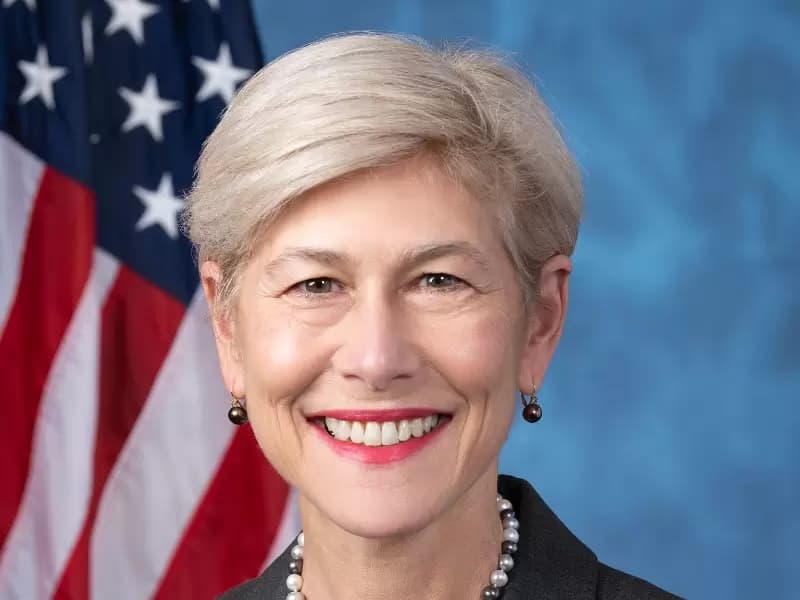
Rep. Deborah Ross / Wikipedia

India and the United States must lean into their shared democratic values to deepen cooperation on trade, technology, education and immigration at a time of global instability, U.S. lawmaker Deborah Ross said May 8.

Joining virtually, Ross addressed a gathering at the US-India AI and Emerging Technology Forum in a session moderated by Kapil Sharma, senior lead of the Global India Collective.

Stating that trade and energy were the two immediate challenges in the bilateral relationship, Ross said that the foundation of the “relationship remains strong.”

“I certainly consider India much more a trusted partner than China when it comes to technology. But the fact of the matter is, we have the same values, and those are values that are rooted in democracy, in lifting people up and in transparency, and that is something to build on. Of course, one of the most complicated things to deal with is intellectual property,” Ross said while referring to U.S.-China relations as well.

Ongoing legal battles in U.S. courts over tariffs could create space for a “more realistic” trade framework with India, Ross said, adding that the two ongoing wars have disrupted global energy markets, placing pressure on India’s energy needs and making coordination more difficult.

Referring to India’s growth in the technology space, Ross said that it was essential that the country no longer be seen as a “back office” but as a global center of “innovation.”

As conversations open globally around artificial intelligence, India stands apart as a reliable collaborator, particularly when compared with China on issues such as intellectual property protection, Ross said.

The lawmaker from North Carolina also emphasized the need to expand educational exchanges. Ross said that apart from Indian students coming to the U.S. for higher studies, it is also imperative for the next generation of American students to explore India. Increased people-to-people engagement will help Americans better understand India’s strengths in science, engineering and innovation while cementing long-term ties beyond political and corporate leadership, Ross said.

“This next generation is so innovative and it’s so open to different places in the world. I would love to see more American students in India. I think that would cement the relationship,” Ross said.

Discover more at New India Abroad.

Comments

Related

To continue...

Already have an account? Log in

Create your free account or log in