ADVERTISEMENT
ADVERTISEMENT



U.S. senator moves to end birthright citizenship
Proposal would deny automatic citizenship to children of undocumented or temporary-status parents by redefining jurisdiction under the Fourteenth Amendment to the United States Constitution.
-
 Malvika Choudhary
 - Thu, 30, Apr 2026
- 18:12 EDT
- 28
 Rand Paul / Wikipedia
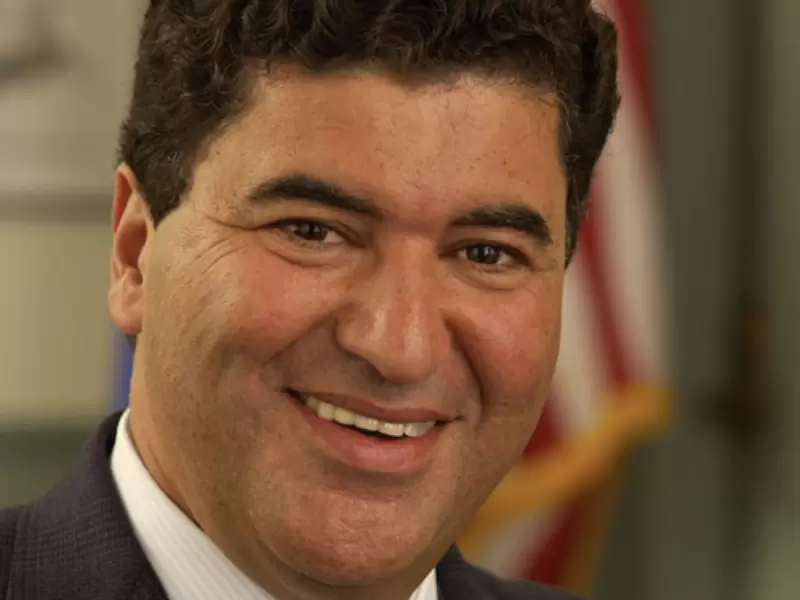
U.S Senator Rand Paul from Kentucky introduced a joint resolution in the Senate proposing a constitutional amendment to restrict birthright citizenship
The measure seeks to redefine the interpretation of the 14th Amendment to the United States Constitution by specifying that a person born in the United States would be considered subject to U.S. jurisdiction only if at least one parent is a citizen, lawful permanent resident, or a legal resident serving in the Armed Forces.
Also Read: Texas probes firms in H-1B fraud case
I am introducing a Constitutional Amendment to end Birthright Citizenship.
— Senator Rand Paul (@SenRandPaul) April 30, 2026
Under current interpretations of American law, anyone born on American soil automatically becomes a U.S. citizen, regardless of whether the parent was here legally or not. This is wrong and not at all… pic.twitter.com/6O5vWr0MYT
The draft resolution states that citizenship would not automatically apply to individuals born to parents who are not legally present in the United States. It also gives Congress authority to enforce the amendment through legislation.
In a statement posted on social media, Paul said he was introducing the amendment “to end birthright citizenship,” arguing that current interpretations grant automatic citizenship regardless of parental immigration status. He said the policy is “not at all the intent” of the 14th Amendment’s framers.
The proposal comes amid ongoing legal scrutiny of efforts to restrict birthright citizenship under President Donald Trump.
The Fourteenth Amendment to the United States Constitution, ratified in 1868, grants citizenship to all persons born in the United States and subject to its jurisdiction—a provision long interpreted to apply broadly.
That interpretation was upheld in United States v. Wong Kim Ark, which affirmed citizenship for individuals born in the United States to immigrant parents.
The issue is now before the Supreme Court of the United States, which is examining the legality of an executive order issued by Trump seeking to deny citizenship to children born to undocumented immigrants or those on temporary visas.
During oral arguments on April 1, several justices questioned the administration’s reading of the amendment, while lower federal courts have blocked the order from taking effect.
Discover more at New India Abroad.
ADVERTISEMENT

ADVERTISEMENT
E Paper
Video

Comments
Start the conversation
Become a member of New India Abroad to start commenting.
Sign Up Now
Already have an account? Login