ADVERTISEMENT
ADVERTISEMENT



Relevance of B.R. Ambedkar’s vision of equality among Indian youth
Ambedkar’s vision of equality is multidimensional, encompassing political, social and economic aspects.
-
 Pravin Bhotkar
 - Tue, 14, Apr 2026
- 02:01 EDT
- 788
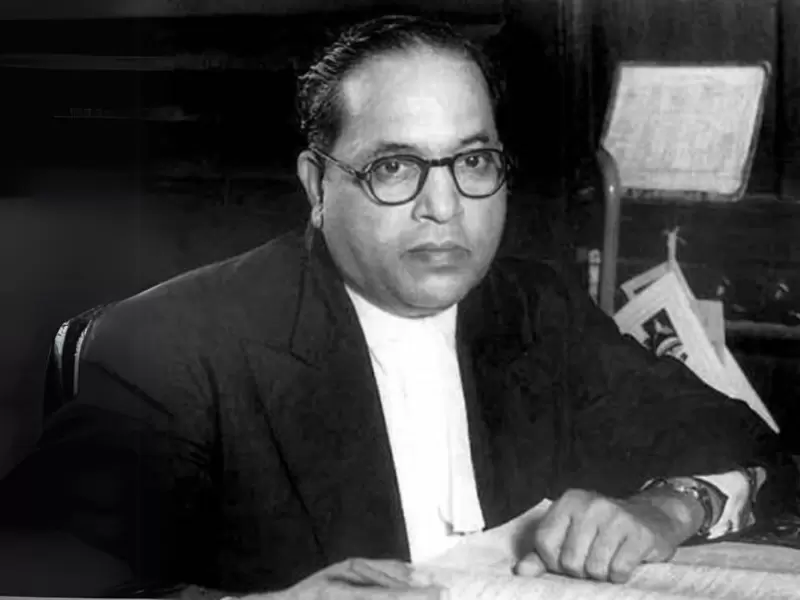 Dr. B.R. Ambedkar / X
Bhimrao Ramji Ambedkar emerges as one of the most influential thinkers and reformers in modern India, whose vision of equality continues to shape the moral and constitutional framework of the nation. His ideas focus on the creation of a society where individuals enjoy equal rights, dignity and opportunities irrespective of caste, class, gender or religion.
In the present, when India experiences rapid social, economic and technological transformations, the relevance of Ambedkar’s vision becomes even more significant. His emphasis on equality as a fundamental principle of democracy provides a strong foundation for addressing contemporary challenges related to inequality and social injustice.
In the 21st century, Indian youth represent a powerful and dynamic segment of the population. They actively participate in shaping social, political and cultural discourses. With increasing access to education, digital media and global perspectives, young individuals develop a broader understanding of issues such as equality, human rights and social justice. They engage in discussions, debates and social movements that aim to challenge discrimination and promote inclusivity. In this context, Ambedkar’s ideas serve as a guiding force that inspires youth to question existing inequalities and work toward a more just society.
Ambedkar’s vision of equality is multidimensional, encompassing political, social and economic aspects. He advocates for political equality through democratic participation and representation, ensuring that every individual has an equal voice in governance. At the same time, he stresses the importance of social equality by challenging caste-based discrimination and promoting the idea of a casteless society. His focus on economic equality highlights the need for equitable distribution of resources and opportunities, which remains a critical issue in contemporary India. These dimensions of equality continue to resonate with the aspirations of modern youth, who seek fairness and justice in all aspects of life.
Despite significant progress in legal and institutional frameworks, inequality persists in various forms in Indian society. Caste-based discrimination, economic disparities and social exclusion continue to affect the lives of many individuals. In such a scenario, the role of youth becomes crucial in bridging the gap between constitutional ideals and social realities. Young people are increasingly aware of these challenges and actively contribute to efforts aimed at promoting equality and justice. Their engagement reflects a growing commitment to the values that Ambedkar advocates.
Furthermore, the influence of education and technology plays a vital role in shaping youth perspectives. Educational institutions introduce students to democratic values and social issues, encouraging them to think critically and act responsibly. Digital platforms provide opportunities for knowledge sharing, awareness and collective action. Through these means, Ambedkar’s ideas reach a wider audience and gain renewed relevance among the younger generation.
AMBEDKAR’S VISION OF EQUALITY
Dr. B.R. Ambedkar, an eminent social reformer, jurist and architect of the Indian Constitution, championed the idea of equality throughout his life. As the principal architect of the Constitution of India, Ambedkar tirelessly fought against social discrimination and advocated for the upliftment of the marginalized and oppressed sections of society. His vision of equality encompassed not only political and legal equality but also social and economic equality.
Ambedkar believed that equality should be the bedrock of any just society. He recognized that inequality perpetuates social divisions and creates a hierarchical structure that hampers the progress and well-being of the oppressed. He argued that true equality necessitates the redistribution of power and resources to eliminate the entrenched privileges enjoyed by certain sections of society.
Ambedkar’s idea of equality encompassed various dimensions. First, he emphasized the importance of political equality. He firmly believed in the principle of “one person, one vote” and actively fought against the discriminatory practices prevalent in the political system. He sought to dismantle the oppressive caste system, which had denied political rights to millions of Dalits, by ensuring their representation in legislative bodies. Ambedkar’s efforts culminated in the reservation policy, which aimed to provide political empowerment and representation to historically marginalized communities.
Furthermore, Ambedkar stressed the significance of social equality. He recognized that social hierarchies and prejudices based on caste, gender and religion perpetuated discrimination and denied individuals their fundamental rights. He championed the cause of social reform and advocated for the annihilation of caste. Ambedkar’s seminal work, Annihilation of Caste, critically examined the inherent inequalities embedded in the caste system and called for its complete abolition. He argued that the eradication of caste-based discrimination was crucial for the realization of social equality and justice.
Ambedkar also highlighted the importance of economic equality. He believed that economic disparities were a major impediment to achieving true equality. Ambedkar advocated for equitable distribution of resources and called for land reforms, equal opportunities in employment and the eradication of poverty. He recognized that economic empowerment was a prerequisite for social and political equality. Ambedkar’s vision of economic equality sought to bridge the gap between the rich and the poor, ensuring that everyone had access to basic necessities and opportunities for advancement.
In addition to his theoretical contributions, Ambedkar actively worked toward the realization of his ideals. He established educational institutions to uplift marginalized communities and promoted social and economic reforms. Ambedkar’s efforts paved the way for the empowerment of millions of people who were historically oppressed and marginalized.
The ideas of equality espoused by Ambedkar continue to be of paramount importance in contemporary society. Despite progress in certain areas, discrimination and inequality persist in various forms. Ambedkar’s vision reminds us that achieving true equality requires continuous vigilance and concerted efforts to dismantle systemic barriers. His emphasis on political, social and economic equality resonates with the struggles faced by marginalized communities around the world.
Ambedkar’s ideas on equality also highlight the importance of affirmative action and inclusive policies. He recognized that a level playing field could not be achieved merely by removing discriminatory laws. It required proactive measures to uplift those who had historically been denied opportunities. Ambedkar’s reservation policy, although subject to ongoing debate, serves as a crucial tool for promoting social justice and providing marginalized communities with opportunities for progress.
Ambedkar’s idea of equality went beyond the mere absence of discrimination. He believed in the principle of substantive equality, which necessitated the elimination of social, economic and political disparities. For him, equality meant not only equal opportunities but also equitable distribution of resources and the creation of a just society. Ambedkar stated, “Political democracy cannot last unless there lies at the base of it social democracy.” His writings and speeches consistently emphasized the need for social justice and equality for all.
YOUTH AND EQUALITY IN THE 21ST CENTURY
Bhimrao Ramji Ambedkar’s vision of equality continues to influence the thinking and actions of young people in contemporary society. In the 21st century, youth represent a dynamic and transformative segment of the population. They actively engage with issues of social justice, human rights and equality, making them key contributors to social change. With increased access to education and technology, young individuals develop a broader understanding of inequality and the need to address it in meaningful ways.
Growing Awareness Among Youth
In the present, awareness about equality is steadily increasing among youth. Educational institutions introduce concepts related to democracy, rights and justice, which shape young minds from an early stage. Youth actively participate in discussions, debates and academic activities that focus on social issues. They recognize the importance of equal opportunities and challenge discriminatory practices in their surroundings. This growing awareness reflects a shift toward a more inclusive and progressive mindset.
Digital media plays a crucial role in spreading awareness among youth. Social networking platforms provide access to information, ideas and discussions on equality and justice. Young people use these platforms to express their opinions, share knowledge and support social causes. This digital engagement helps them connect with diverse perspectives and understand the importance of equality in a global context. As a result, youth become more informed and socially conscious.
Changing Attitudes and Social Participation
Youth in the 21st century increasingly question traditional norms and social hierarchies. They challenge practices that promote discrimination based on caste, gender, religion or economic status. Their attitudes reflect a growing acceptance of diversity and inclusivity. Many young individuals actively participate in social movements, awareness campaigns and community initiatives that promote equality and justice.
Their participation extends beyond discussions to practical actions. Youth organize events, engage in volunteer work and collaborate with organizations working for social change. This active involvement demonstrates their commitment to creating a fair and just society. Their willingness to stand against injustice highlights the relevance of equality as a core value in modern times.
Role of Education and Technology
Education continues to play a significant role in shaping youth perspectives on equality. It equips them with knowledge, critical thinking skills and a sense of responsibility toward society. By learning about historical struggles and social reforms, youth gain a deeper understanding of inequality and the need for change. Education also encourages them to adopt values such as respect, empathy and fairness.
Technology further enhances this process by providing access to information and opportunities for engagement. Online learning platforms, digital campaigns and virtual discussions enable youth to explore issues related to equality in greater depth. Technology also allows them to amplify their voices and contribute to social discourse on a larger scale.
Challenges and Opportunities
Despite progress, challenges still exist in achieving equality among youth. Differences in access to education and digital resources create disparities in awareness and opportunities. While some youth benefit from advanced learning and exposure, others face limitations due to socioeconomic conditions. These inequalities affect their ability to fully participate in efforts toward social change.
However, these challenges also present opportunities for growth and improvement. By addressing these disparities and promoting inclusive education, society can ensure that all youth have equal opportunities to learn and contribute. Encouraging collaboration, dialogue and participation can further strengthen the role of youth in promoting equality.
BARRIERS AND THE WAY FORWARD
Bhimrao Ramji Ambedkar’s vision of equality continues to inspire Indian society, yet several barriers still exist that prevent its full realization in the 21st century. One of the most persistent challenges is caste-based discrimination, which remains deeply rooted in social structures and everyday practices. Despite constitutional provisions and legal safeguards, caste influences access to education, employment and social mobility. In many parts of India, individuals still face exclusion, prejudice and unequal treatment based on their caste identity. This creates a gap between the ideals of equality and the lived experiences of many citizens, particularly those belonging to marginalized communities.
Economic inequality also acts as a major barrier to achieving equality. A significant section of the population does not have equal access to resources such as quality education, health care and employment opportunities. Poverty and lack of financial stability limit the ability of individuals to improve their socioeconomic status. This inequality affects youth in particular, as many talented individuals are unable to realize their potential due to limited resources and opportunities. As a result, the promise of equal opportunity, which is central to Ambedkar’s vision, remains unfulfilled for many.
Another important barrier is the lack of awareness and understanding of equality and social justice. Although education is expanding, it does not always emphasize critical thinking or social awareness. Many young people are aware of Ambedkar as a historical figure but do not fully understand the depth of his ideas and their relevance in contemporary society. This superficial understanding limits their ability to engage meaningfully with issues of inequality and discrimination. In addition, misinformation and biased narratives sometimes distort the interpretation of his ideas, further weakening their impact.
Social attitudes and cultural norms also hinder progress toward equality. Deeply ingrained prejudices related to caste, gender and class continue to shape people’s behavior and thinking. These attitudes are often passed down through generations, making them difficult to change. Even when laws promote equality, social acceptance of these values is not always present. Discrimination may take subtle forms, such as exclusion in social interactions or bias in decision-making processes. Such practices reinforce inequality and prevent the creation of an inclusive environment.
In the context of youth, disparities in access to education and digital resources further widen the gap. While urban youth benefit from better educational institutions and exposure to diverse perspectives, rural and underprivileged youth often lack such opportunities. This digital divide limits their ability to access information, participate in discussions and engage with progressive ideas. Consequently, the spread of awareness about equality and social justice remains uneven across different sections of society.
Addressing these barriers requires a comprehensive and sustained approach. Education plays a central role in this process. It is essential to design curricula that not only provide knowledge but also promote values of equality, justice and critical thinking. By incorporating Ambedkar’s ideas into educational content, institutions can help students develop a deeper understanding of social issues and their responsibilities as citizens. Education also empowers individuals to question discriminatory practices and advocate for change.
Digital media and technology offer significant opportunities to promote awareness and engagement. Social media platforms, online courses and digital campaigns help in spreading information about equality and social justice to a wider audience. When used responsibly, these tools encourage dialogue, raise awareness and mobilize youth for social causes. However, it is equally important to ensure that information shared through these platforms is accurate and meaningful, so that it contributes to informed understanding rather than confusion.
Youth themselves play a crucial role in shaping the future of equality in India. They actively challenge discriminatory practices, participate in social movements and advocate for inclusive policies. Their openness to new ideas and willingness to question traditional norms make them powerful agents of change. By embracing the values of equality and justice in their daily lives, they contribute to creating a more inclusive society.
CONCLUSION
Bhimrao Ramji Ambedkar’s vision of equality remains highly relevant in the present, especially in the context of Indian youth in the 21st century. His emphasis on political, social and economic equality continues to provide a strong foundation for building a just and inclusive society. Despite significant progress in legal frameworks and awareness, various forms of inequality such as caste discrimination, economic disparity and social exclusion still persist in society. In the present context, youth emerge as key agents of change who actively engage with issues of equality and social justice. Through education, digital platforms and social participation, they develop a deeper understanding of Ambedkar’s ideas and apply them in their everyday lives. Their willingness to challenge traditional norms and advocate for inclusive practices reflects the continued relevance of his vision. At the same time, achieving true equality requires sustained efforts at both individual and institutional levels. Strengthening education, promoting awareness and ensuring equal opportunities are essential steps toward realizing this goal. Therefore, Ambedkar’s vision not only guides the present generation but also inspires continuous efforts to create a fair, democratic and equitable society.
Pravin Samadhan Bhotkar is an academic, social worker, 'and healthcare education leader based in Maharashtra, India.
(The views and opinions expressed in this article are those of the author and do not necessarily reflect the official policy or position of New India Abroad.)
Discover more at New India Abroad.
Leave A Comment
Related








ADVERTISEMENT

ADVERTISEMENT
E Paper
Video

Comments
Start the conversation
Become a member of New India Abroad to start commenting.
Sign Up Now
Already have an account? Login