ADVERTISEMENT

ADVERTISEMENT



USDA spotlights India, China in farm trade strategy
Lawmakers also raised questions about growing opportunities in India, particularly for tree nuts and specialty crops.
-
 IANS
IANS - Thu, 05, Mar 2026
- 00:58 EST
- 19
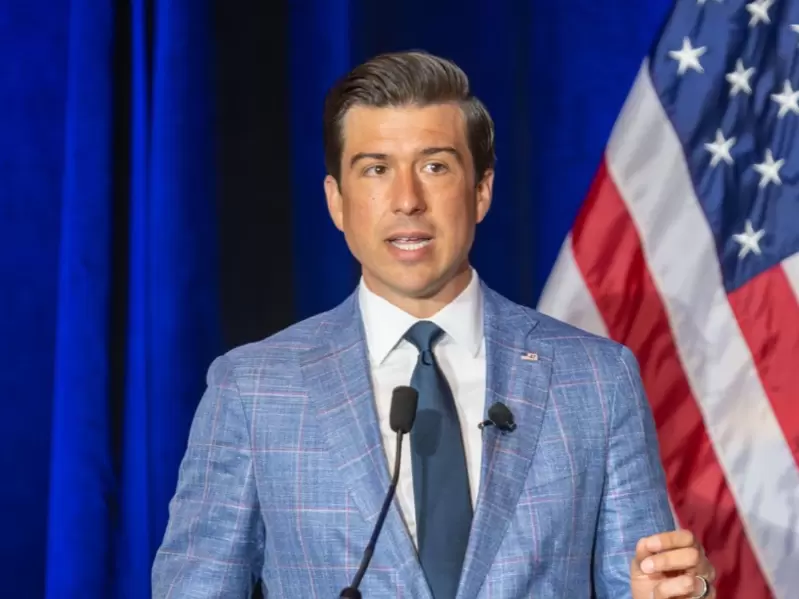 Undersecretary for Trade and Foreign Agricultural Affairs Luke Lindberg / X/@USDAForeignAg
U.S. farm trade strategy increasingly centers on major markets such as India and China, the Agriculture Department’s top trade official told lawmakers, highlighting new export opportunities even as legislators clashed over tariffs, food aid policy and the country’s widening agricultural trade deficit.
Appearing before the House Appropriations subcommittee overseeing agriculture funding on March 4, Undersecretary for Trade and Foreign Agricultural Affairs Luke Lindberg said the administration is pursuing an “America first” approach to trade aimed at restoring U.S. agricultural competitiveness abroad.
“Our mission is clear: restore fairness and reciprocity in global markets and return America’s agricultural trade balance to a surplus,” Lindberg told lawmakers.
ALSO READ: Judge orders U.S. Customs to process refunds
He said the strategy focuses on three pillars: “securing better deals, strengthening buyer-seller relationships and holding our partners accountable.”
Lindberg pointed to recent agreements and negotiations across Asia, including expanded market access in countries such as Japan, Vietnam, South Korea and Taiwan. He also highlighted China as a key market for American agricultural exports.
“They have purchased 12 million metric tons this marketing year of U.S. soybeans,” he said, adding that President Donald Trump is expected to speak with Chinese President Xi Jinping soon to reinforce trade commitments.
Lawmakers also raised questions about growing opportunities in India, particularly for tree nuts and specialty crops. India has historically imposed high tariffs on products such as pecans, sometimes reaching 100 percent.
Asked about the status of a new agreement with India, Lindberg said negotiations were still being finalized by the Office of the U.S. Trade Representative.
“I do anticipate that pecans will be a part of that overall agreement as the broader tree nut industry is included,” he said.
Beyond Asia, Lindberg said the administration has been pursuing new trade openings in Central America and Europe, including commitments from Guatemala to purchase 50 million gallons of U.S. ethanol annually and expanded access for American beef and agricultural products in several markets.
ALSO READ: U.S. Senators seeks $130 billion tariff refund
“These are not abstract commitments,” he said. “They are real tariff reductions, purchase agreements and reforms that are translating into export growth.”
However, the hearing also exposed deep partisan divisions over the administration’s broader agricultural trade and aid policies.
Democrats repeatedly criticized the tariffs imposed under the Trump administration and questioned whether they were harming farmers by raising input costs and triggering retaliatory measures from trading partners.
Ranking member Sanford D. Bishop Jr. warned that the administration’s trade policies had contributed to rising pressure on American producers.
He also raised concerns about the transfer of the long-running Food for Peace program from the U.S. Agency for International Development to the Agriculture Department.
The program provides U.S.-grown food aid to vulnerable populations abroad. Under the new arrangement, USDA has already announced plans to spend $452 million to purchase 211,000 metric tons of American commodities to be delivered to several countries through the World Food Programme.
At the same time, several lawmakers pressed Lindberg on how the United States plans to reduce imports and strengthen domestic production.
Lindberg acknowledged that certain sectors face heavy import dependence. “We import about 75 percent of our seafood,” he noted, adding that domestic producers could potentially supply more of the market.
He said the administration is forecasting improvements in the agricultural trade balance, projecting the deficit could fall to about $29 billion this year.
Lindberg argued that expanding exports while increasing domestic consumption of U.S.-grown food would ultimately benefit American farmers.
“We want to produce more here in the United States, consume more of what we produce here in the United States and export more as well,” he said.
Discover more stories on NewIndiaAbroad
Related











ADVERTISEMENT

ADVERTISEMENT
E Paper
Video

Comments
Start the conversation
Become a member of New India Abroad to start commenting.
Sign Up Now
Already have an account? Login