ADVERTISEMENT

ADVERTISEMENT



UN hosts Dr. Hansa Mehta Memorial Lecture ahead of Women’s day
The lecture highlighted the legacy of the Indian reformer who helped introduce gender-inclusive language in the Universal Declaration of Human Rights.
-
1759953093.png) Staff Reporter
Staff Reporter - Sat, 07, Mar 2026
- 14:29 EST
- 21
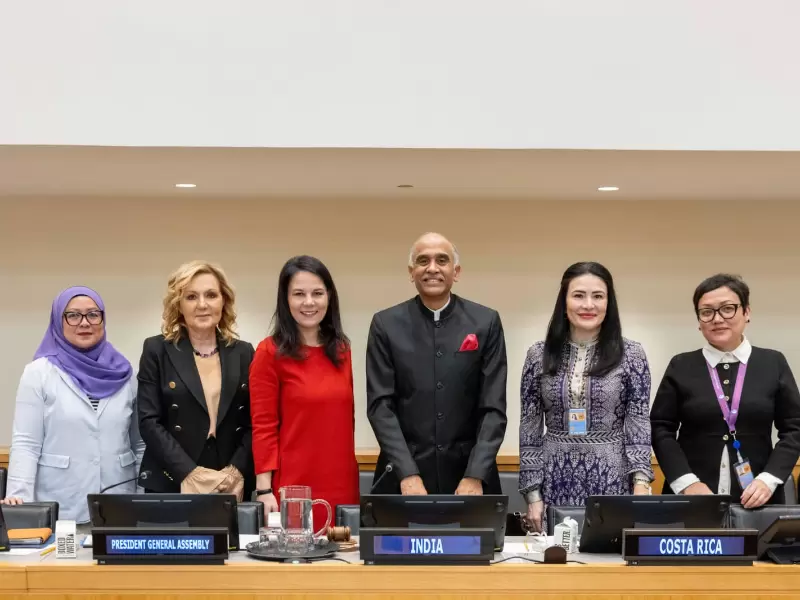 Fourth annual Dr. Hansa Mehta Memorial Lecture / Handout
Ahead of International Women’s Day, the United Nations held the fourth annual Dr. Hansa Mehta Memorial Lecture at its headquarters.
The March 6 lecture honoring Indian freedom fighter and women’s rights advocate, Hansa Mehta, focused on the theme,“Breaking Barriers for Social Transformation.”
Also Read: SeattleU Law School launches Mehta Wahi Scholarship
India’s Permanent Representative to the United Nations, Ambassador Harish Parvathaneni, in his welcome remarks recalled Mehta’s legacy as an educator and social reformer and how she used the opportunities and platforms available to her to advance the cause of women’s empowerment.
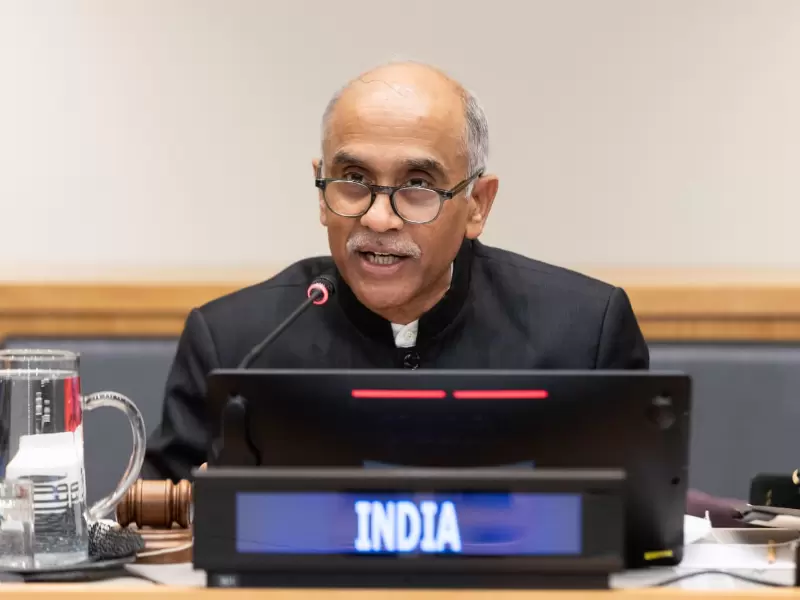 Harish Parvathaneni / Handout
He highlighted Mehta’s role in initiating legislative reforms to raise the age of marriage for girls and her contribution to grassroots movements advocating equal rights for men and women in education, equal pay, and equal distribution of property among women at a time when such demands were widely considered unthinkable in many parts of the world.
President of the UN General Assembly Annalena Baerbock delivered the keynote address, drawing on Mehta’s work and emphasizing three aspects: the need to hold firm to principles, the power of inclusive language, and the importance of extending opportunities to all, including women, for meaningful social transformation.
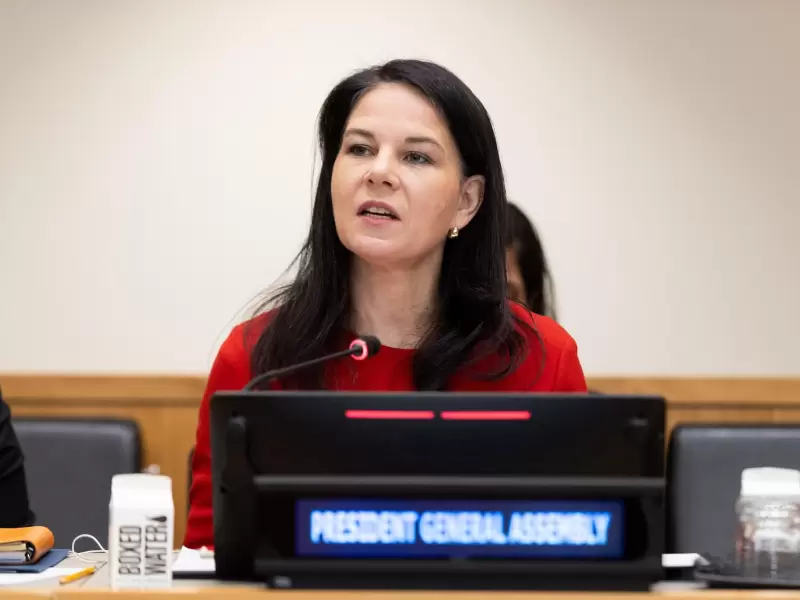 Annalena Baerbock / Handout
The lecture also highlighted the impact of breaking barriers for women and how such progress shapes the aspirations of future generations.
Permanent Representatives of Costa Rica, Greece, Kyrgyzstan and Brunei Darussalam addressed the gathering, sharing their experiences at the UN and in their respective countries.
Mehta served as India’s delegate to the UN Commission on Human Rights and played a key role in changing the wording of Article 1 of the Universal Declaration of Human Rights from “All men are born free and equal” to “All human beings are born free and equal,” marking a milestone in gender-inclusive human rights language.
She was also one of the 15 women members of India’s Constituent Assembly and a leading figure in the All India Women’s Conference, where she advocated equal rights for women in education, property and public life.
Discover more at New India Abroad.
Related


ADVERTISEMENT

ADVERTISEMENT

ADVERTISEMENT
E Paper
Video

Comments
Start the conversation
Become a member of New India Abroad to start commenting.
Sign Up Now
Already have an account? Login