ADVERTISEMENT
ADVERTISEMENT



The Second-Generation Struggle: Maintaining Cultural Heritage in the West
New India Abroad speaks to several “second generation” Indian Americans. Here’s what they had to say.
-
 Pallavi Mehra
 - Sun, 14, Dec 2025
- 11:25 EST
- 19
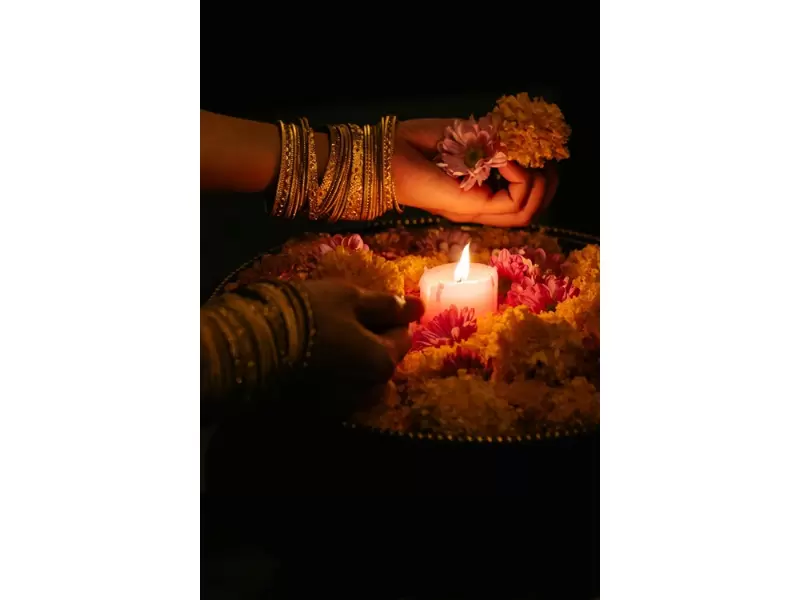 Representative Image / Courtesy: Pexels
For the children of Indian immigrants who grew up on American soil, life is often lived neither here nor there. The “second generation,” US-born, finds Indian Americans find themselves in a constant, often exhausting, negotiation: how to fully embrace Western norms without sacrificing the Indian heritage handed down by their parents.
This internal balancing act is the central feature of their identity, a journey marked by immense pressure, conflicting expectations, and a profound search for an authentic self. We spoke to a few “second generation” Indian Americans to learn about their struggles.
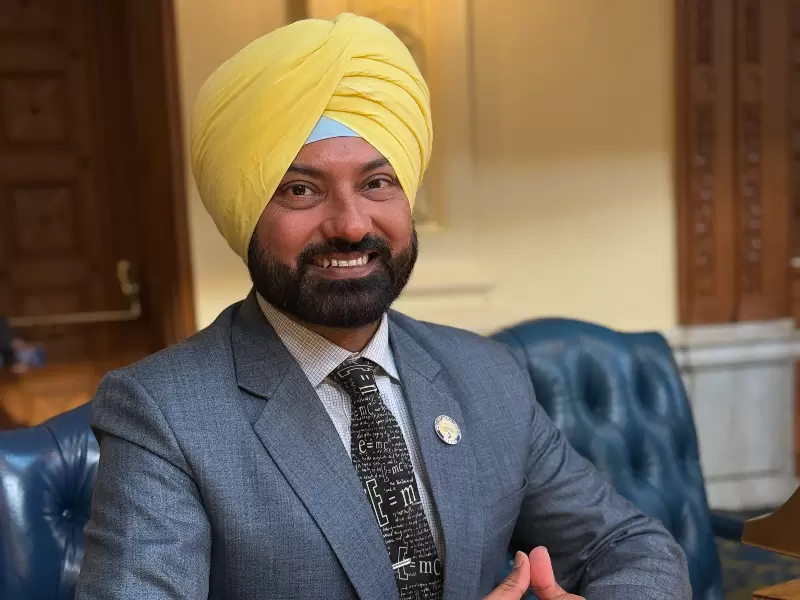
Also Read: Indian Americans growing confident in U.S. public life: NJ Assemblyman Balvir Singh
The Marriage Divide
Perhaps nowhere is this clash more acutely felt than in the realm of relationships and marriage. For the immigrant generation, the concept of arranged marriage remains a cornerstone of their value system. But for the second generation, raised on Hollywood romances and the American ideal of individual choice, the shift toward “love marriage” feels natural.
"When I turned twenty, my family began looking at biodatas and family trees,” says Priya P., a marketing consultant in Miami. “They kept asking why I wouldn't just meet the 'nice boy' they found. I had to explain that I want to choose my life partner. I want that connection first. It felt like I was rejecting their whole Indian tradition and culture, even though I was just trying to live in mine.”
The Weight of Expectations
Another theme is the intense pressure of academic success. Driven by their own struggle for a better life, many Indian immigrants place education on a high pedestal. For their children, this often translates into an expectation to pursue high-status fields like medicine, engineering, or law.
“I started college pre-med just because it was the only option my parents ever spoke about,” mentions Nikhil S., now a marketing executive in Los Angeles. “The minute I switched to business, it was silence. Not anger, just crushing disappointment. I was told I was ‘wasting my potential.’ That really hurt, but it also motivated me to work harder in my current field. Now, after proving myself in my chosen career, my parents are finally proud of me.”
Crafting a Bicultural Identity
The ultimate challenge for this generation is moving away from feeling “half-and-half” to embracing a bicultural identity. This means integrating both worlds rather than being torn between them.
“It’s not about choosing a side,” says NYC-based Rekha P. “I can wear a sari to a wedding and explain its history, and then show up to work the next day in a business suit and dominate a presentation. I listen to Bollywood music while driving to a hip-hop class. I’m not ashamed of being Indian and American. In fact, I’m so proud of my Indian-American heritage and wear it confidently! I encourage all other Indian Americans to do the same.”
Therefore, second-generation Indians are actively redefining what it means to be Indian American, a dynamic identity that is deeply rooted yet constantly evolving. They are the bridge between two worlds, creating a new cultural narrative that is uniquely American and Indian at the same time.
Related




ADVERTISEMENT
ADVERTISEMENT
E Paper
Video

Comments
Start the conversation
Become a member of New India Abroad to start commenting.
Sign Up Now
Already have an account? Login