ADVERTISEMENT

ADVERTISEMENT



Indian Americans aren’t “taking over” Frisco - They are building it
As debate swirls over demographic change, the facts show Indian Americans are not “taking over” Frisco — they are investing in its growth, economy, and civic life.
-
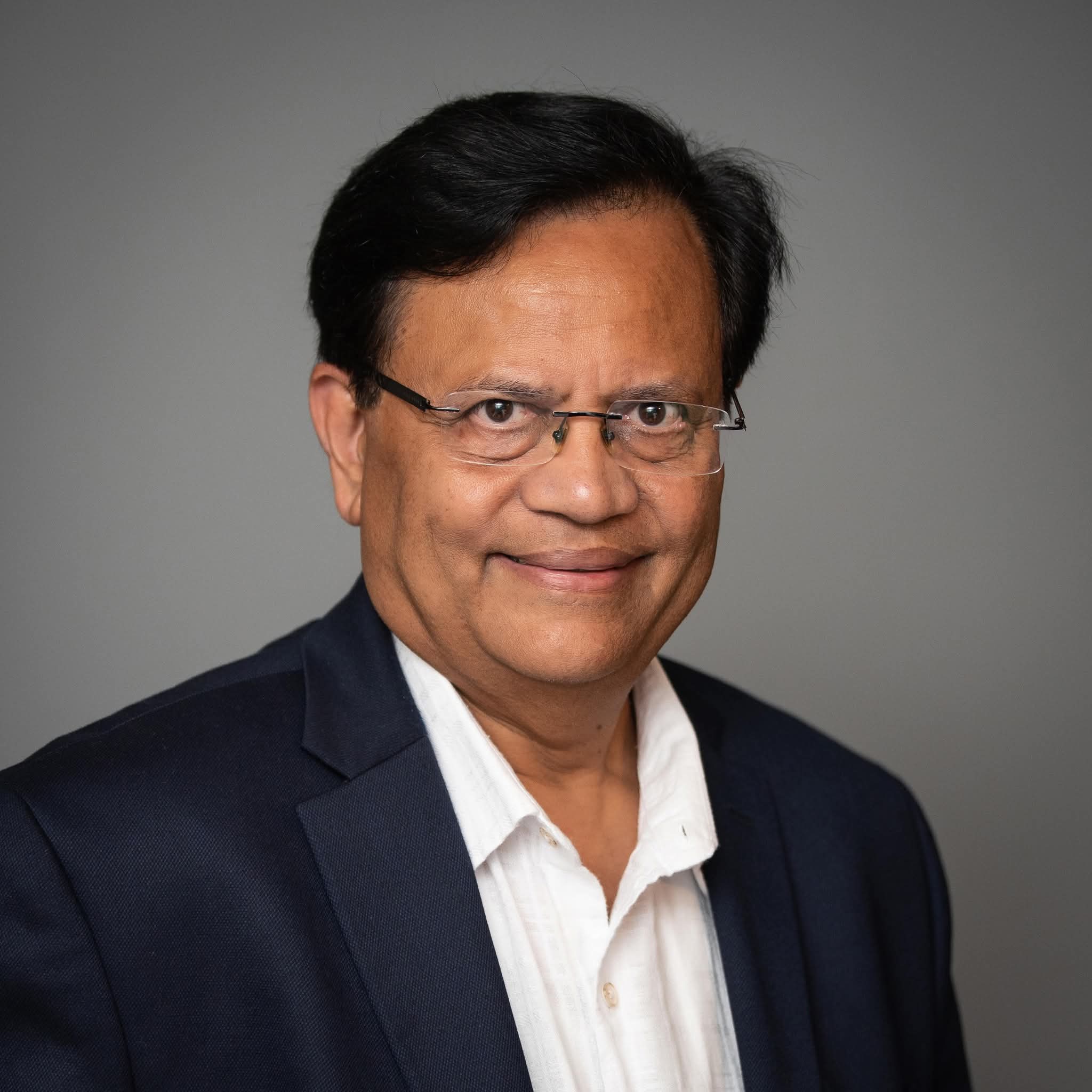 Gitesh Desai
 - Fri, 27, Feb 2026
- 09:53 EST
- 40
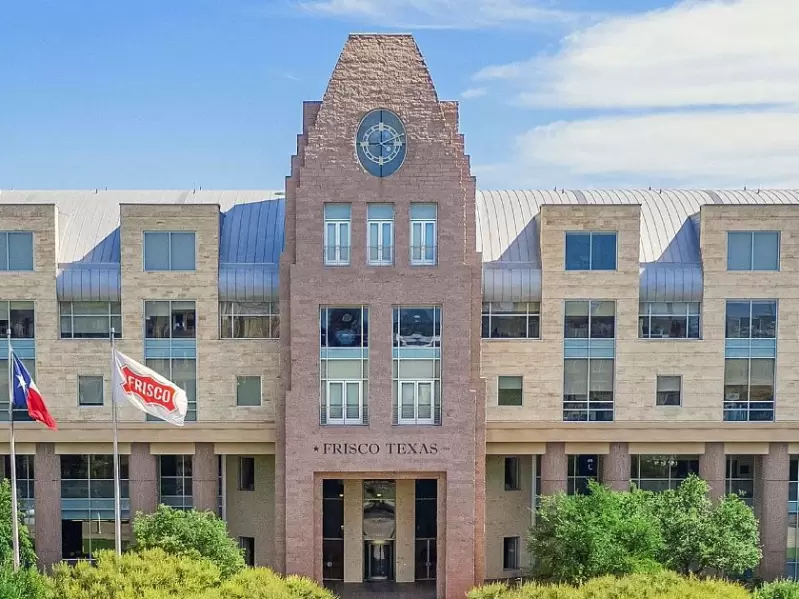 City Hall / friscotexas.gov
Recent claims that Indian Americans are “taking over” Frisco—amplified by a provocative headline in The Dallas Morning News—have stirred emotion and distorted reality.
The facts tell a different story. Indian Americans are not displacing Frisco’s progress; they are helping create it. Across corporate offices, classrooms, hospitals, and volunteer networks, their work and service strengthen the city’s foundation. Frisco’s story is not about takeover. It is about contribution, commitment, and shared success.
Frisco’s rapid growth did not happen by chance. Like much of Collin County, the city became a magnet for corporate expansion as major firms invested in North Texas. Those investments demanded engineers, analysts, physicians, entrepreneurs, and researchers capable of competing in a global economy.
Many of those professionals are Indian American—not because of favoritism, but because they meet rigorous hiring standards in one of the world’s most competitive labor markets. Companies hire based on skill and expertise. Indian Americans have earned their roles.
Also Read: Indian origin CEO defends H-1B immigration amid backlash
Much of the public debate has centered on the H-1B visa program, created in 1990 with bipartisan support to address shortages in high-skill fields. Employers who use the program must pay prevailing wages, shoulder substantial legal costs, and comply with strict federal oversight.
The number of visas is capped and regulated nationally; cities like Frisco neither design nor control the system. Where fraud exists, it should be prosecuted firmly. But broad accusations against an entire community without evidence are not accountability — they are scapegoating.
Indian Americans in Frisco are not an isolated enclave; they are woven into the civic life of the city. They serve as PTA volunteers, HOA board members, physicians, small-business owners, and technology innovators. They buy homes, pay property taxes, and contribute to strong public schools. Houses of worship throughout Frisco reflect the American principle of religious liberty — not separation from society, but participation within it.
Their engagement extends beyond professional life. Organizations such as Sewa International mobilize volunteers during disasters and humanitarian crises across Texas and beyond.
When Hurricane Harvey struck in 2017, volunteers organized relief drives, distributed supplies, cleaned flooded homes, and supported displaced families of every background. During more recent flooding in Central Texas, they again stepped forward to serve. That spirit of service transcends ethnicity and faith.
It also continues year-round. Sewa International supports families facing food insecurity across North Texas through sustained outreach and volunteer-led initiatives. Its Sewa Hindu Mobile Pantry delivers groceries directly to neighborhoods where a single meal can be uncertain, assisting working families, seniors, and individuals in crisis. Rooted in the principle of seva, or selfless service, these efforts reflect a community committed not only to achievement, but to responsibility.
History reminds us that suspicion toward newcomers is nothing new. Irish, Italian, Jewish, Chinese, and Mexican immigrants were once accused of failing to assimilate or of transforming neighborhoods beyond recognition. In time, each community enriched the nation’s cultural and economic fabric. Indian Americans stand in that same tradition. They serve in the armed forces, lead corporations, start companies that create jobs, run for local office, and show up in difficult moments — whether during disasters or when hunger quietly affects a household.
Also Read; Hindu mockery at Plano City Council draws backlash
Concerns voiced at recent City Council meetings should not be dismissed. Rapid growth can strain infrastructure and unsettle a community’s sense of familiarity. Change can feel disruptive. But growth is not displacement, and demographic change is not erasure. Frisco’s expansion reflects economic vitality and opportunity. Indian Americans did not create that growth alone; they responded to it, just as earlier generations did.
Today, Indian Americans are launching businesses, enriching classrooms, supporting neighbors during crises, and investing in Frisco’s long-term vitality. The city’s success is not being diminished; it is being broadened and strengthened. When we move beyond rhetoric and examine the facts, it becomes clear that those some question are playing a meaningful role in securing Frisco’s future.
The language of “takeover” may attract attention, but it does not withstand scrutiny. Indian Americans are not reshaping Frisco at anyone’s expense; they are helping strengthen it for everyone. Like so many families before them, they chose Frisco for safe neighborhoods, strong schools, and opportunity for their children. That aspiration is not foreign — it is deeply American.
Through hard work, partnership, and a shared commitment to building something better, Indian Americans — alongside neighbors, businesses, and community leaders — are contributing to the progress visible across the city. Collaboration, not division, defines Frisco’s trajectory. That is the Frisco residents know. And it is the Frisco they continue to build together.
The writer is President of Sewa International – Dallas.
(The views and opinions expressed in this article are those of the author and do not necessarily reflect the official policy or position of New India Abroad.)
Discover more stories on New India Abroad.
Related






ADVERTISEMENT

ADVERTISEMENT
E Paper
Video

Comments
Start the conversation
Become a member of New India Abroad to start commenting.
Sign Up Now
Already have an account? Login