ADVERTISEMENT
ADVERTISEMENT



India turns to diaspora deposits in bid to strengthen rupee
The Reserve Bank of India has launched a special FCNR(B) deposit window aimed at attracting billions of dollars from Non-Resident Indians (NRIs).
-
 Ankita Baidya
 - Sat, 13, Jun 2026
- 05:16 EDT
- 38
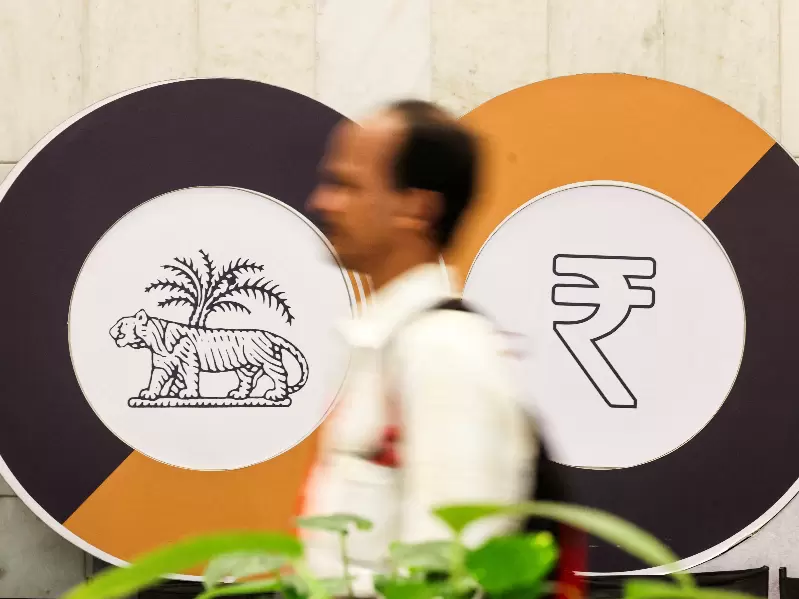 The RBI's new FCNR(B) deposit initiative targets Non-Resident Indians with higher returns on dollar deposits. / REUTERS/Francis Mascarenhas/File Photo
India has launched a fresh push to attract overseas Indian savings, reopening a special foreign-currency deposit window that could bring tens of billions of dollars into the country's banking system and help strengthen the rupee.
The initiative, announced by the Reserve Bank of India (RBI), allows banks to raise new Foreign Currency Non-Resident (Bank), or FCNR(B), deposits from Non-Resident Indians (NRIs) and Overseas Citizens of India (OCIs) through Sept. 30. The move mirrors a strategy used during the 2013 currency crisis, when India successfully attracted large inflows from the diaspora to stabilize the rupee and boost foreign exchange reserves.
Also Read: RBI offers NRIs up to 7% interest on dollar deposits
Indian banks are now targeting diaspora communities in the United States, Canada, the United Kingdom, and the Gulf region, offering significantly more attractive returns on U.S. dollar deposits. Industry estimates suggest rates could range from roughly 5.5 percent to more than 7 percent, making them competitive with many dollar-denominated savings and fixed-income products.
The RBI has sweetened the scheme by providing a concessional swap facility that helps banks offset currency hedging costs on eligible deposits with maturities of three to five years. The facility is available until Sept. 30 and is intended to encourage banks to offer higher returns while attracting fresh foreign-currency inflows.
Punjab National Bank Managing Director and CEO Ashok Chandra said the banking sector could mobilize between $35 billion and $40 billion through the program, while some industry projections place the potential inflow even higher.
For India's global diaspora, the scheme represents an opportunity to earn returns on dollar deposits without taking direct exchange-rate risk, since FCNR(B) accounts are maintained in foreign currencies rather than rupees. The deposits have historically been popular among NRIs looking to maintain financial links with India while preserving exposure to international currencies.
The RBI's decision comes at a time when policymakers are looking to bolster foreign exchange reserves and maintain currency stability amid global economic uncertainty. The central bank used a similar FCNR(B) window in 2013 during the so-called "taper tantrum," when fears of tighter U.S. monetary policy triggered capital outflows from emerging markets. That effort brought in approximately $34 billion from overseas Indians.
India remains the world's largest recipient of remittances, receiving more than $135 billion from overseas Indians in the last fiscal year, underscoring the economic significance of the diaspora and its growing role in India's financial resilience.
Discover more at New India Abroad.
Related











ADVERTISEMENT

ADVERTISEMENT
E Paper
Video

Comments
Start the conversation
Become a member of New India Abroad to start commenting.
Sign Up Now
Already have an account? Login