ADVERTISEMENT

ADVERTISEMENT



VOSAP in tie-up to deliver AI prosthetics to India
This initiative leverages AI-enabled CAD software and high-speed 3D printing to provide high-quality and affordable prosthetic solutions to underserved communities.
-
Rwittika Chakraborty
- Sun, 01, Feb 2026
- 23:33 EST
- 19
 VOSAP (left) and Instalimb (right) / Facebook/@Voice of Specially Abled People
Voice of Specially Abled People (VOSAP), a U.S.-based global advocacy organization, and Instalimb, a Japanese multinational corporation and a leading manufacturer of 3D-printed prosthetics using AI, have announced a strategic partnership to empower 1,000 persons with disabilities (PwD) across India in 2026.
This initiative, supported by VOSAP, leverages AI-enabled CAD software and high-speed 3D printing to provide high-quality, affordable, and fitted prosthetic solutions to underserved communities.
ALSO READ: U.S.-based NGO welcomes Budget boost for Divyangjan
The rollout will be based in five major strategic hubs and their surrounding regions, including Delhi-NCR, Hyderabad, Mumbai, Vizag, and Bangalore.
By combining VOSAP’s grassroots network and "Enablement" model with Instalimb’s digital manufacturing technology, the partnership aims to reduce the traditional wait time for prosthetics from weeks to just 24 hours.
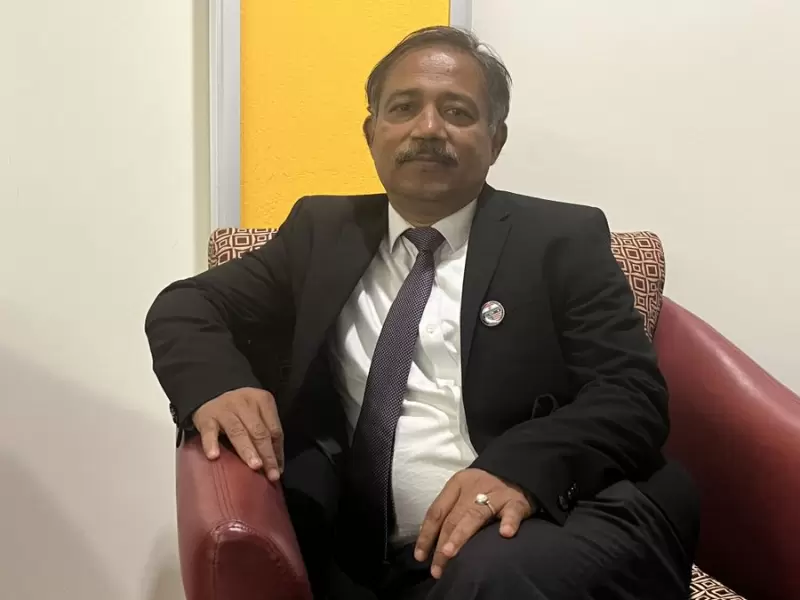
Founder of VOSAP, Pranav Desai, spoke about this partnership with Instalimb and said,
"Partnering with Instalimb allows us to bring the best of Japanese technology to India’s doorsteps, aligning with our Vision 2047 for an inclusive, $1 trillion disability-inclusive economy."
While traditional prosthetic manufacturing is usually a manual, labor-intensive process that can lead to inconsistent fits, Instalimb’s technology tackles these issues with AI-powered design, which involves proprietary algorithms analyzing 3D scans of a patient’s residual limb, body contours of bone and muscles to create a customized socket design.
Instalimb also implements precision 3D printing, which creates high-durability, lightweight limbs that are printed on-site, ensuring a comfortable second-skin fit.
These 3D-printed prosthetics are also created to be waterproof to allow users to navigate daily life without fear of damaging the prosthetics.
Discover more at New India Abroad.
Related





ADVERTISEMENT

ADVERTISEMENT
E Paper
Video

Comments
Start the conversation
Become a member of New India Abroad to start commenting.
Sign Up Now
Already have an account? Login