ADVERTISEMENT

ADVERTISEMENT



U.S. will raise premium visa processing fees from March 1
The increase, tied to inflation, will affect H-1B, employment-based green card and student visa filings.
-
 Malvika Choudhary
 - Fri, 09, Jan 2026
- 14:52 EST
- 106
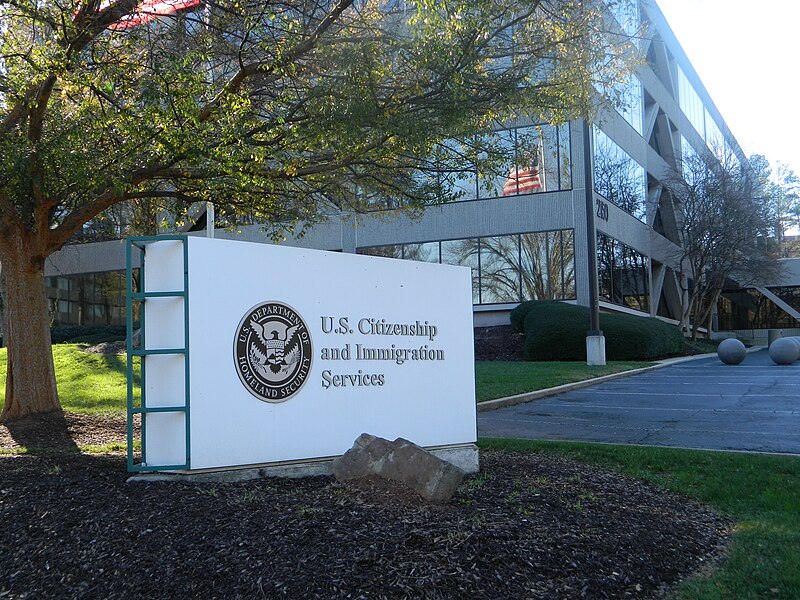 Representative Image / Wikipedia
The U.S. Citizenship and Immigration Services (USCIS) will raise fees for premium processing applications from March 1, the Department of Homeland Security said.
In a statement, DHS said the increase reflects inflation from June 2023 through June 2025 and is authorized under the USCIS Stabilization Act, which allows the department to revise premium processing fees every two years.
Also Read: U.S. Embassy warns students of visa revocations over legal violations
The new fees will apply to all premium processing requests postmarked on or after March 1, 2026. Applicants seeking expedited processing must continue to file Form I-907, Request for Premium Processing, and include the revised fee applicable to their benefit category.
Under the new schedule, the premium processing fee for Form I-129 petitions for H-2B or R-1 nonimmigrant status will rise from $1,685 to $1,780. For other eligible Form I-129 classifications, including H-1B, L-1, O, P, Q and TN categories, the fee will increase from $2,805 to $2,965.
The same increase will apply to Form I-140 immigrant worker petitions in employment-based categories, with the premium processing fee also moving from $2,805 to $2,965.
For Form I-539 applications to extend or change nonimmigrant status in F, J and M categories, the fee will increase from $1,965 to $2,075. The premium processing fee for certain Form I-765 employment authorization applications, including OPT and STEM-OPT, will rise from $1,685 to $1,780.
The department said the revenue generated from the higher fees will be used to support premium processing services, improve adjudication processes, respond to case backlogs, and fund USCIS adjudication and naturalization operations.
“Fees will continue to be adjusted agencywide to account for inflation and protect the real dollar value of the premium processing service we provide,” the department said.
Premium processing allows applicants and employers to obtain faster decisions on certain immigration benefits in exchange for an additional fee.
USCIS is funded primarily through application fees rather than congressional appropriations, and premium processing has become an important revenue stream for the agency as it faces persistent processing delays and backlogs across multiple visa and immigration categories.
Discover more at New India Abroad.
Related











ADVERTISEMENT
ADVERTISEMENT
E Paper
Video

Comments
Start the conversation
Become a member of New India Abroad to start commenting.
Sign Up Now
Already have an account? Login