ADVERTISEMENT

ADVERTISEMENT



U.S. strikes on Iran spark travel chaos as airlines cancel flights
India put carriers on alert as Air India and IndiGo suspended services.
-
 Reuters
 - Sat, 28, Feb 2026
- 16:14 EST
- 20
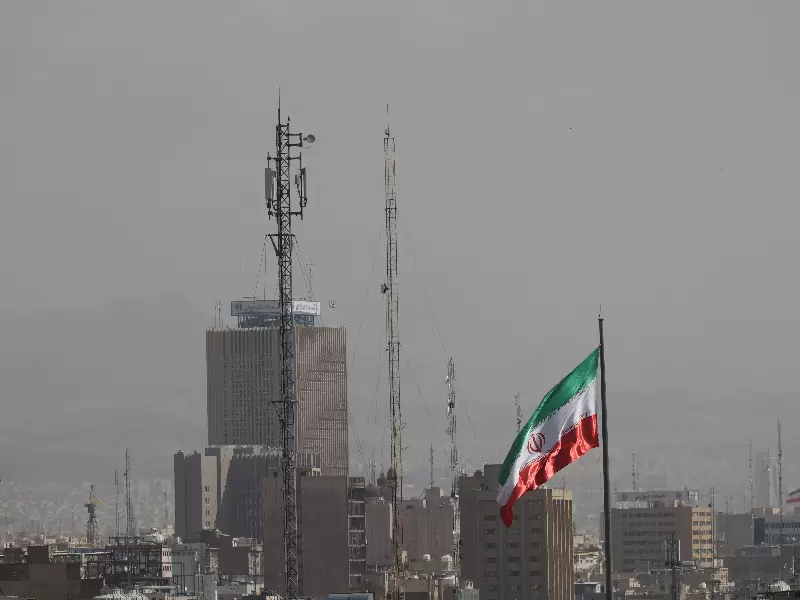 An Iranian flag flutters, as Israel and the U.S. launched strikes on Iran, in Tehran, Iran, February 28, 2026. / Majid Asgaripour/WANA (West Asia News Agency) via REUTERS
Airlines suspended flights across the Middle East on Feb. 28, including to and from the world's busiest travel hub Dubai, after the U.S. and Israel launched strikes on Iran.
Flight maps showed airspace over Iran, Iraq, Kuwait, Israel and Bahrain virtually empty after the strikes began, and Iran retaliated with missiles. Blasts were reported in Qatar, home to the biggest U.S. military base in the region, as well as in Abu Dhabi and Dubai, key east-west transit hubs.
Also Read: Democrats slam US Strikes on Iran
"You have crews, planes and passengers stranded all over the world. It's a massive logistical nightmare," a Gulf airline source said.
Dubai Airports suspended all flights at Dubai International and at Al Maktoum International until further notice, urging passengers not to travel. Emirates and flydubai temporarily halted operations, while Etihad suspended all departures from Abu Dhabi until 1000 GMT on March. 1.
PASSENGERS STRANDED ACROSS EUROPE
Students travelling from Paris to Dubai said their college trip was abandoned. "We still have some students that went there earlier and they're stuck in Dubai and we don't know when they’ll be able to come back," said Benjamin Gnatek.
At Charles de Gaulle airport, Thai-bound traveller Roman Simon said his onward flight via Doha was cancelled. "Now, we’re trying to find a solution to still make our trip to Thailand," he told Reuters.
At Doha’s Hamad International Airport, gates were nearly empty as stranded passengers queued to make hotel arrangements, a Reuters witness said.
As countries in the region closed their airspace, aircraft were forced to divert around Larnaca, Jeddah, Cairo and Riyadh. Flightradar24 briefly went down due to surging demand.
AIRSPACE COULD BE CLOSED FOR 'SOME TIME'
The escalation dimmed hopes for progress on Tehran's nuclear dispute with the West and reignited conflict after weeks of U.S. military buildup. Middle Eastern airports, among the world’s busiest transit hubs, warned of prolonged disruption.
"Passengers and airlines can expect airspace to be shut for quite some time," said Eric Schouten, head of aviation security advisory Dyami.
Airlines cancelled on Feb. 28 about half of their flights to Qatar and Israel and about 28 percent of their flights to Kuwait, after the United States and Israel launched strikes on Iran, according to preliminary Cirium data. In total, about 24 percent of flights to the Middle East were cancelled, the data showed.
The region has become more important for global aviation since the Russia-Ukraine war forced airlines to avoid both countries' airspace.
Conflict zones add to operational risks, raising fears of accidental shoot‑downs and lengthening routes, which increases fuel costs.
BRITISH AIRWAYS, LUFTHANSA, CATHAY SUSPEND FLIGHTS
The European Union's aviation regulator EASA on Feb. 28 recommended its airlines stay out of the airspace affected by the ongoing military intervention.
British Airways, owned by IAG, said it had cancelled flights to Tel Aviv and Bahrain until March 3, as well as Saturday's flights to Amman.
The Russian Ministry of Transport said on Feb. 28 that Russian air carriers had suspended flights to Iran and Israel.
Germany's Lufthansa said it was suspending flights to and from Dubai on Feb. 28 and March 1 and halting the Tel Aviv, Beirut and Oman routes until March 7.
Air France and Iberia also cancelled flights to Tel Aviv and Beirut, while Wizz Air suspended flights to Israel, Dubai, Abu Dhabi and Amman.
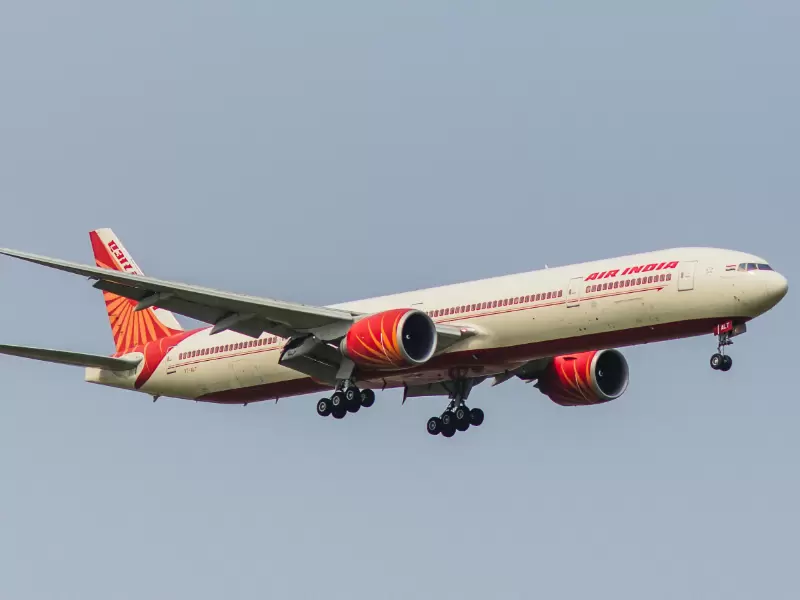
India put carriers on alert as Air India and IndiGo suspended services.
Hong Kong's Cathay Pacific Airways suspended operations in the region, affecting passenger flights to and from Dubai and Riyadh, as well as freighter services operating through Al Maktoum airport in Dubai.
REGIONAL CARRIERS AFFECTED
Qatar Airways and Kuwait Airways temporarily suspended flights, while Turkish Airlines also cancelled flights to several Middle Eastern destinations.
Qatar Airways said in a post on X that flight operations will resume at 1900 Doha time on March 1.
Kuwait's aviation authority said it was halting all flights to Iran until further notice, according to the state news agency, while Oman Air said it had suspended all flights to Baghdad due to the regional developments.
KLM, the Dutch arm of Air France-KLM, has brought forward the suspension of its Amsterdam–Tel Aviv service, cancelling the flight scheduled for Saturday after strikes in Iran, a spokesperson said.
The airline had announced on Feb. 25 that flights would be halted from March 1. Only one flight to Tel Aviv was scheduled for Feb. 28.
Virgin Atlantic said it had decided to temporarily avoid Iraqi airspace, resulting in some re-routing of its flights.
Discover more at New India Abroad.
Related








ADVERTISEMENT

ADVERTISEMENT
E Paper
Video

Comments
Start the conversation
Become a member of New India Abroad to start commenting.
Sign Up Now
Already have an account? Login