ADVERTISEMENT
ADVERTISEMENT



Indian American leaders mark Juneteenth with calls for justice
Political leaders commemorated the end of slavery while emphasizing the need to advance racial equality, economic opportunity, and social justice.
-
 Malvika Choudhary
 - Fri, 19, Jun 2026
- 11:24 EDT
- 69
 Representative image / Pixabay
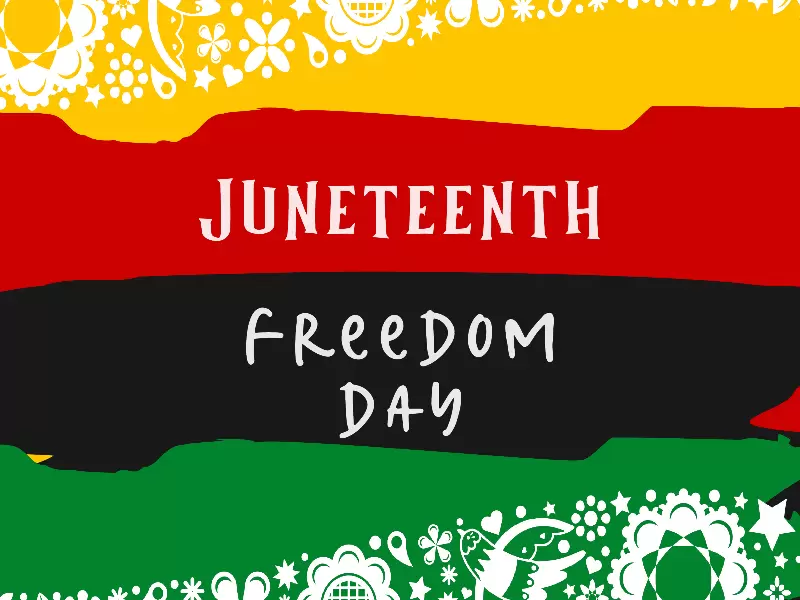
Indian American leaders marked Juneteenth on June 19 with messages commemorating the end of slavery in the United States while also emphasizing the need to continue the fight for racial justice, equality, and economic opportunity.
Congresswoman Pramila Jayapal (WA-07) described Juneteenth as "a day of joy and of reckoning," saying the holiday serves as a reminder of both the progress the United States has made toward justice and the challenges that remain. She celebrated the gains achieved through generations of Black courage, resistance, and organizing, while stressing that the fight for racial justice is far from over.
Also Read: Indian-American lawmakers flay Frisco flag burning as xenophobic act
Jayapal also used the occasion to criticize the Trump administration, arguing that progress made in combating racism is under threat.
"As this administration sows hate and division, and is openly using racist rhetoric and rolling back hard fought victories, today we recommit ourselves to working every single day to dismantle systemic racism and hate in this country," she wrote in a social media post.
Happy Juneteenth!
— Rep. Pramila Jayapal (@RepJayapal) June 19, 2026
As this administration sows hate and division, and is openly using racist rhetoric and rolling back hard fought victories, today we recommit ourselves to working every single day to dismantle systematic racism and hate in this country. pic.twitter.com/W1d8RC68IL
Representative Ro Khanna (CA-17) described Juneteenth as both a celebration of freedom and a reminder of the injustices endured by enslaved African Americans.
"Today, we must recommit ourselves to the work that remains undone and continue to build the first multiracial democracy," Khanna said, urging Americans to reflect on the nation's history while working toward a more inclusive future.
Juneteenth, a day commemorating the emancipation of enslaved African Americans following the Civil War, is both a celebration of freedom and a reminder of the horrendous injustices committed by our nation.
— Rep. Ro Khanna (@RepRoKhanna) June 19, 2026
Today, we must recommit ourselves to the work that remains undone and…
Representative Raja Krishnamoorthi (IL-08) honored the resilience of Black Americans and highlighted the country's progress in expanding freedom and opportunity since the abolition of slavery.
"While we have come a long way, the work of expanding opportunity and justice for all continues," Krishnamoorthi said, adding that Juneteenth remains an opportunity to celebrate advances made in the pursuit of equality while recognizing the challenges that persist.
On Juneteenth, we remember the end of slavery in America, honor the resilience of Black Americans, and celebrate the progress our nation has made in the pursuit of freedom, equality, and opportunity. While we have come a long way, the work of expanding opportunity and justice for… pic.twitter.com/xOI5gbeTAL
— Congressman Raja Krishnamoorthi (@CongressmanRaja) June 19, 2026
Virginia Lieutenant Governor Ghazala Hashmi focused on the historical significance of the holiday, noting that Juneteenth marks the day Union troops arrived in Galveston and informed enslaved Black Americans that they were free, more than two years after the Emancipation Proclamation was issued.
Reflecting on Virginia's first Juneteenth celebration for state employees, Hashmi said participants were reminded of "our responsibility to remember the past, to tell the full history, and to be a voice for justice."
Today we celebrate Juneteenth, the day Union troops arrived in Galveston, Texas, and conveyed the news that enslaved Black Americans were free, more than two years after President Abraham Lincoln issued the Emancipation Proclamation. pic.twitter.com/0KN8MBFemh
— Lt. Governor Ghazala Hashmi (@ltgovhashmi) June 19, 2026
New York City mayoral candidate Zohran Mamdani connected the legacy of Juneteenth to present-day economic challenges affecting many Black communities. Recalling that African Americans in Galveston learned of their freedom two and a half years after the Emancipation Proclamation took effect, Mamdani described Juneteenth as both a remembrance of delayed freedom and a celebration of resilience.
He said the contributions of African Americans to the nation are immeasurable but argued that many Black families continue to face economic hardship and displacement driven by rising costs of living.
On June 19, 1865, African American communities in Galveston, Texas, finally learned of their freedom from slavery — two and a half years after the Emancipation Proclamation took effect.
— Mayor Zohran Kwame Mamdani (@NYCMayor) June 19, 2026
For 161 years, Juneteenth has been a day of remembrance for the freedom that was delayed. It…
"True freedom has a tangible impact on daily life: the ability to afford housing, earn a living wage, put food on the table, support a family, and create a future for generations to come," Mamdani wrote, calling for renewed efforts to ensure that freedom is fully realized for all Americans.
Juneteenth commemorates June 19, 1865, when Union troops arrived in Galveston, Texas, and informed enslaved African Americans that they were free, more than two years after President Abraham Lincoln issued the Emancipation Proclamation. The day has long been celebrated by Black communities and became a federal holiday in 2021.
Discover more at New India Abroad.
Related



.jpg)



ADVERTISEMENT

ADVERTISEMENT
E Paper
Video

Comments
Start the conversation
Become a member of New India Abroad to start commenting.
Sign Up Now
Already have an account? Login