ADVERTISEMENT

ADVERTISEMENT



India secures tariff edge in U.S. trade deal
For India, the benefits center on tariffs, sector-specific access, and the easing of long-standing trade barriers.
-
 IANS
IANS - Fri, 06, Feb 2026
- 22:04 EST
- 17
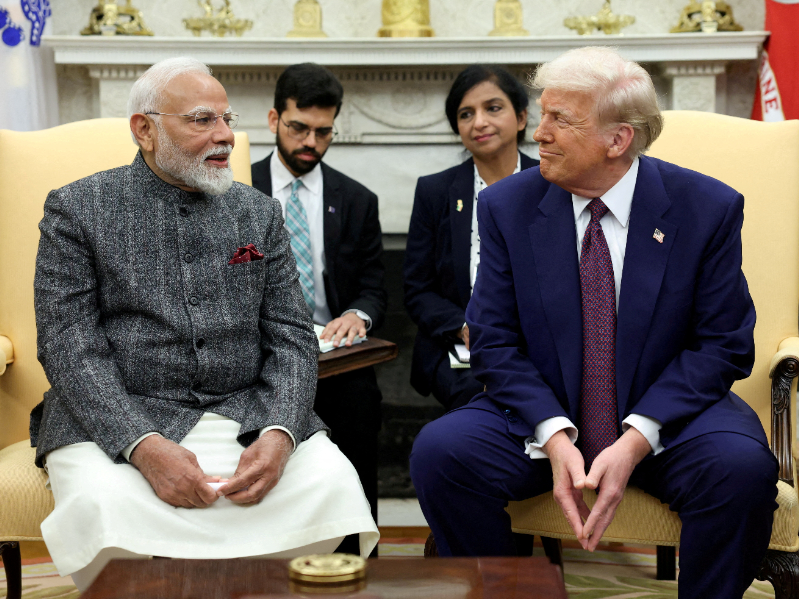 U.S. President Donald Trump meets with Indian Prime Minister Narendra Modi at the White House in Washington, D.C., U.S., February 13, 2025. / REUTERS/Kevin Lamarque/File Photo
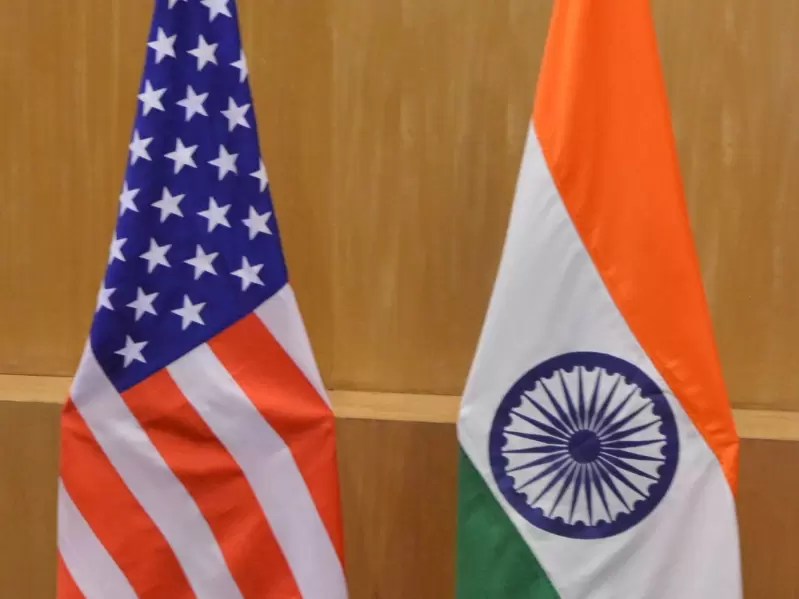
India gained tariff relief, better market access, and a stronger competitive position in the United States under a new interim trade framework announced by Washington and New Delhi.
The two countries said they have reached a framework for an Interim Agreement on “reciprocal and mutually beneficial trade.” The move keeps talks on track for a full U.S.-India Bilateral Trade Agreement, launched by President Donald Trump and Prime Minister Narendra Modi last February.
Both sides called the framework a historic milestone. It aims for balanced trade and clear results. For India, the benefits center on tariffs, sector-specific access, and the easing of long-standing trade barriers.
Under the framework, the United States will apply a reciprocal tariff rate of 18 percent on Indian goods. The list includes textiles and apparel, leather and footwear, plastics and rubber, organic chemicals, home décor, artisanal products, and some machinery.
The uniform rate gives India an edge over several countries in its neighborhood and the wider region. Many of those exporters face higher barriers or less predictable access to the U.S. market.
The 18 percent rate also narrows the gap with Europe, which faces a 15 percent tariff. The smaller difference improves the price position of Indian products. It helps exporters in textiles, apparel, leather goods, chemicals, and engineering items. It also strengthens India’s hand against regional rivals competing on cost.
ALSO READ: U.S. drops 25 percent tariff on Indian imports
The framework also opens a path to tariff removal on a wide range of Indian goods. That step depends on the successful conclusion of the Interim Agreement. The list includes generic pharmaceuticals, gems and diamonds, and aircraft parts. These are sectors where India holds a strong global share and U.S. demand is high.
Washington will also remove tariffs on certain Indian aircraft and aircraft parts. Those duties were imposed earlier under national security proclamations tied to aluminum, steel, and copper imports.
India will receive a preferential tariff rate quota for automotive parts. These parts are covered by U.S. national security tariffs on automobiles and auto components.
India’s pharmaceutical industry could see further gains. Outcomes tied to generic drugs and pharmaceutical ingredients will depend on a U.S. Section 232 investigation. These products are a core Indian export to the U.S. health care market, according to the joint statement.
Beyond tariffs, both countries agreed to provide preferential market access in sectors of sustained interest. They also agreed to set rules of origin. The goal is to ensure benefits flow mainly to the United States and India.
The framework addresses non-tariff barriers that have long weighed on trade. India agreed to address barriers affecting U.S. medical devices. It also agreed to eliminate restrictive import licensing that delays market entry or imposes limits on U.S. information and communication technology goods.
India committed to decide within six months of the agreement taking effect whether U.S. or international standards can be accepted in identified sectors. This includes testing requirements. Similar commitments apply to long-standing barriers affecting U.S. food and agricultural products.
ALSO READ: India U.S. trade deal a 'game changer'
The two sides plan talks on standards and conformity assessments. The aim is to make compliance easier and rules clearer. The framework allows either country to adjust commitments if agreed tariff levels change.
India also outlined a broader commercial push. It said it intends to buy $500 billion worth of U.S. energy products, aircraft and aircraft parts, precious metals, technology products, and cooking coal over the next five years.
Trade in technology products is set to rise. This includes graphics processing units used in data centers. The two countries also agreed to expand joint technology cooperation.
The framework includes commitments on digital trade. Both sides said they will address discriminatory or burdensome practices. They aim to set a path toward ambitious digital trade rules as part of the full agreement.
Discover more stories on NewIndiaAbroad
Related








ADVERTISEMENT

ADVERTISEMENT
E Paper
Video

Comments
Start the conversation
Become a member of New India Abroad to start commenting.
Sign Up Now
Already have an account? Login