ADVERTISEMENT
ADVERTISEMENT



ASPIRE's Silent Revolution: 80,000 Children Reclaim Their Right to School
In India's most abandoned tribal regions, one organisation is dismantling the child labour trap — one village at a time
-
 S. Raju
 - Sun, 05, Jul 2026
- 16:45 EDT
- 23
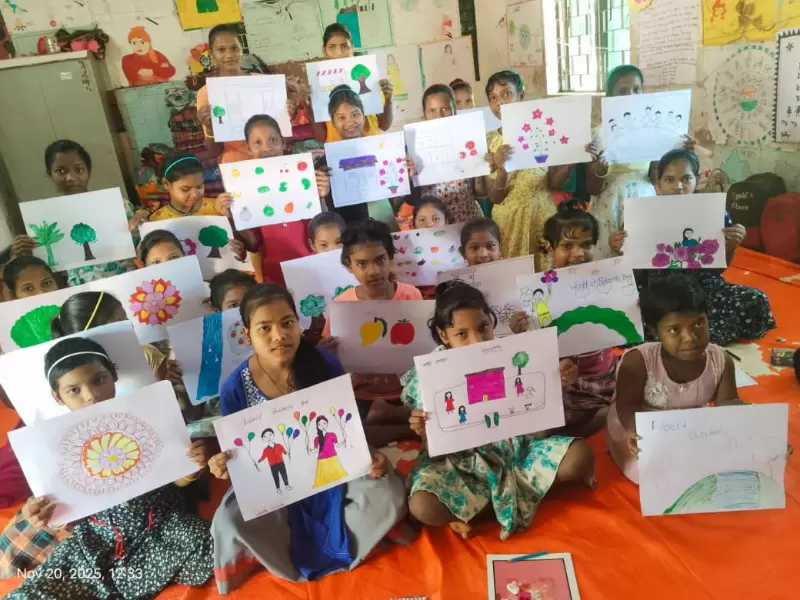 Children in RBC showcasing their own drawings / Handout
More than 80,000 children — written off by poverty, labour and circumstance — have quietly found their way back to school. They are first-generation learners from India's most forgotten corners, and today they are not just enrolled — they are attending, learning and building futures their parents never had. The organisation behind this transformation is ASPIRE — A Society for Promotion of Inclusive and Relevant Education.
Why These Children Were Lost
The Central Indian Tribal Belt, stretching across ten states, is rich in forests and mineral wealth, generating immense revenues for the nation. Yet majority of its tribal population survives on primitive agriculture and abject poverty. Rather than benefiting from India's growth, these communities have been exploited for cheap labour, triggering distress migration that robs entire villages of their young.
Insufficient schools, under-resourced classrooms, ineffective pedagogy and social discrimination push children — especially girls — into forced labour and early marriage. The result: a generational poverty trap where sending a child to school felt like asking a family to starve.
Breaking the Cycle: The CLFZ Model
"Child labour is not just a legal issue — it is a social norm passed down through generations of poverty," says Daya Ram, Secretary of ASPIRE. "Our work begins the moment we convince a family that their child's future is worth more than today's wages."
ASPIRE's answer is the Child Labour Free Zone (CLFZ) model. Field teams conduct door-to-door household surveys, maintaining a Village Education Register (VER) that tracks every child from birth to age 18. Out-of-school children — migrants, long dropouts, short dropouts or never enrolled — are mapped and connected to schooling pathways. A habitation earns CLFZ status only when all children aged 6–14 sustain 85% average attendance over three months. Crucially, the community itself declares the CLFZ — not the NGO.
What the Numbers Reveal
Working across Odisha, Jharkhand, Chhattisgarh and West Bengal, ASPIRE till date has reached 1.5 million children across 39 blocks, 742 gram panchayats and 6,458 government schools. As of April 2026:
- 602 of 742 gram panchayats (81%) and all 125 urban wards (100%) declared CLFZ
- Odisha project has achieved 100% saturation — all 441 gram panchayats covered
- The entire Keonjhar district — 13 blocks, 299 panchayats and 5,015 habitations — stands child labour free
- Hindol Block in Dhenkanal declared CLFZ on 26 March 2026
- Over 840,000 children directly enrolled in school
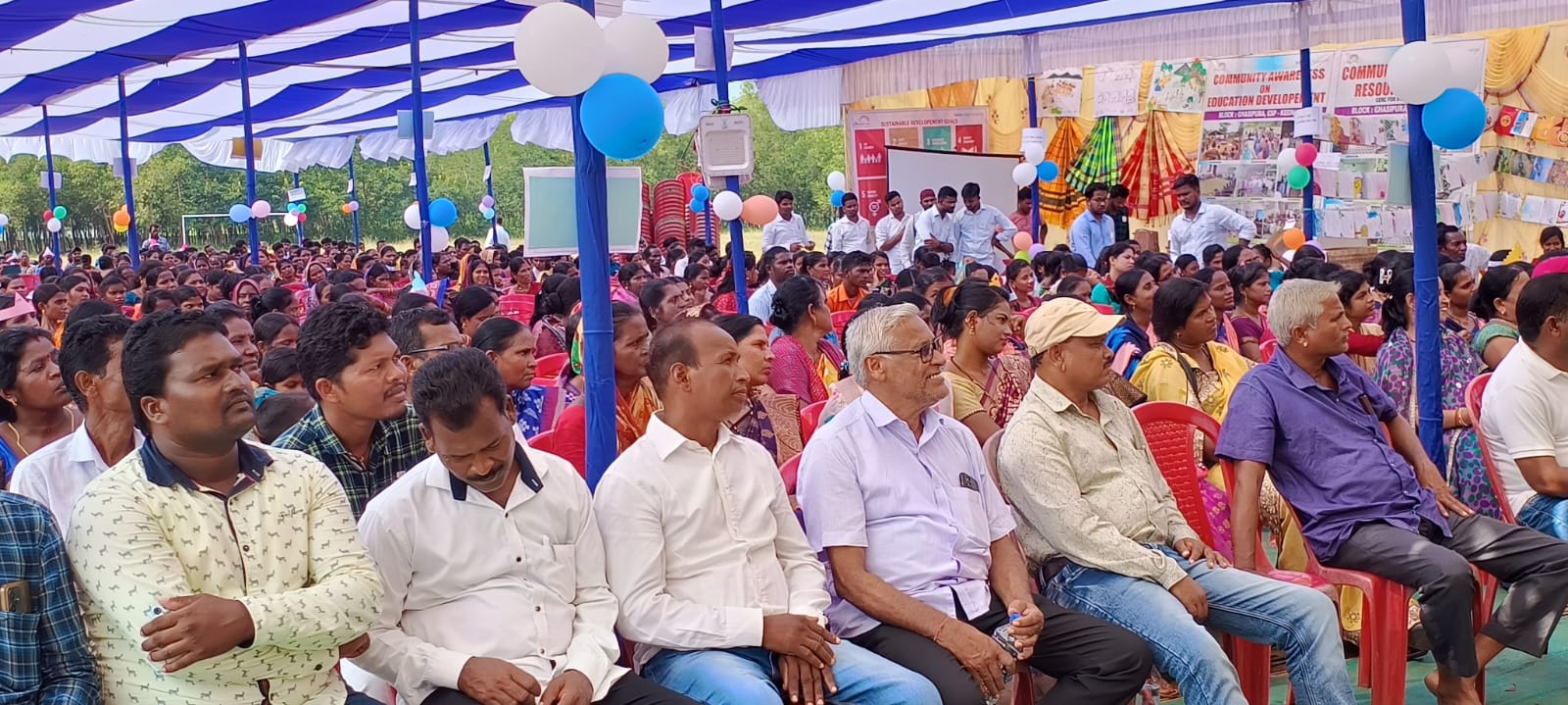
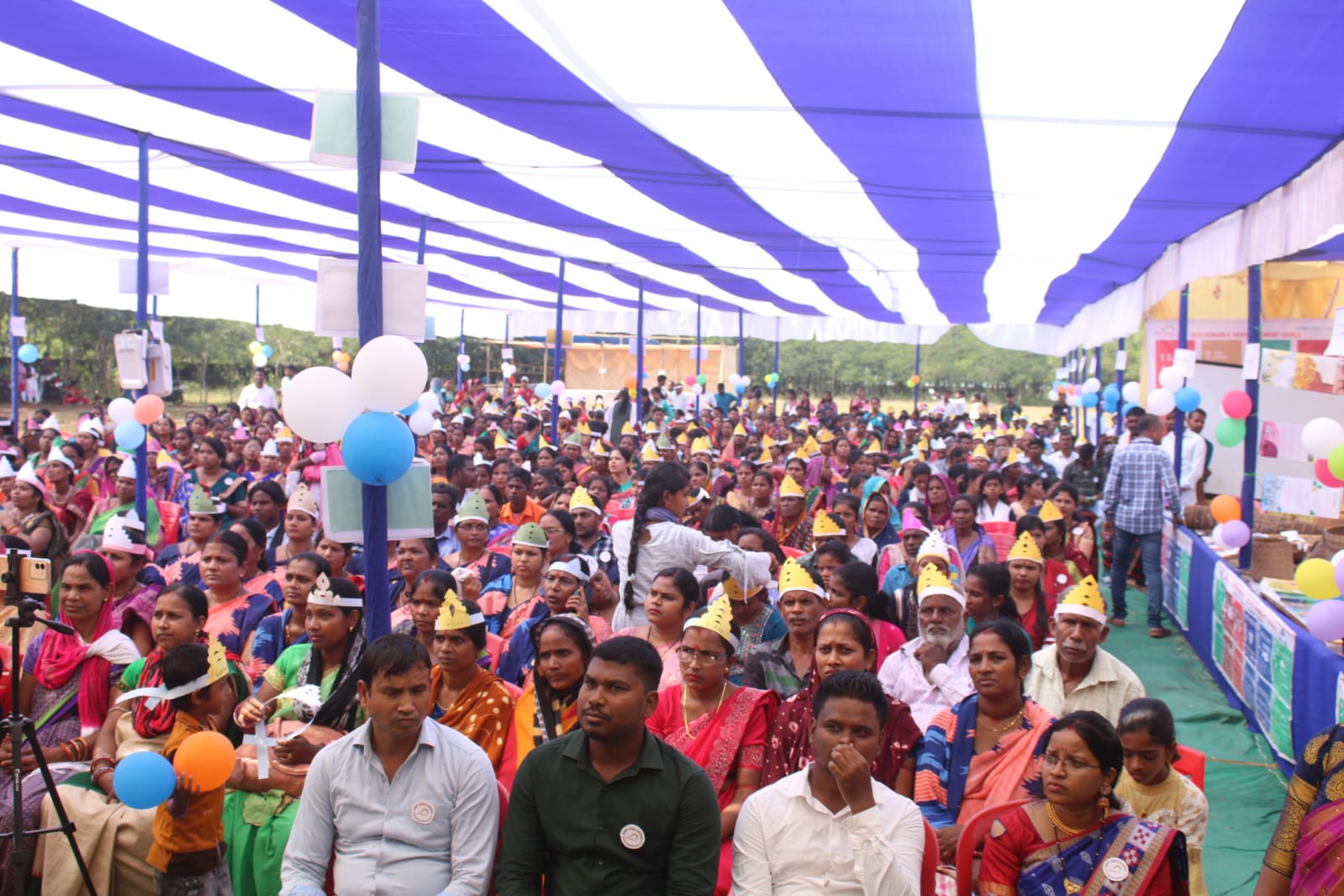
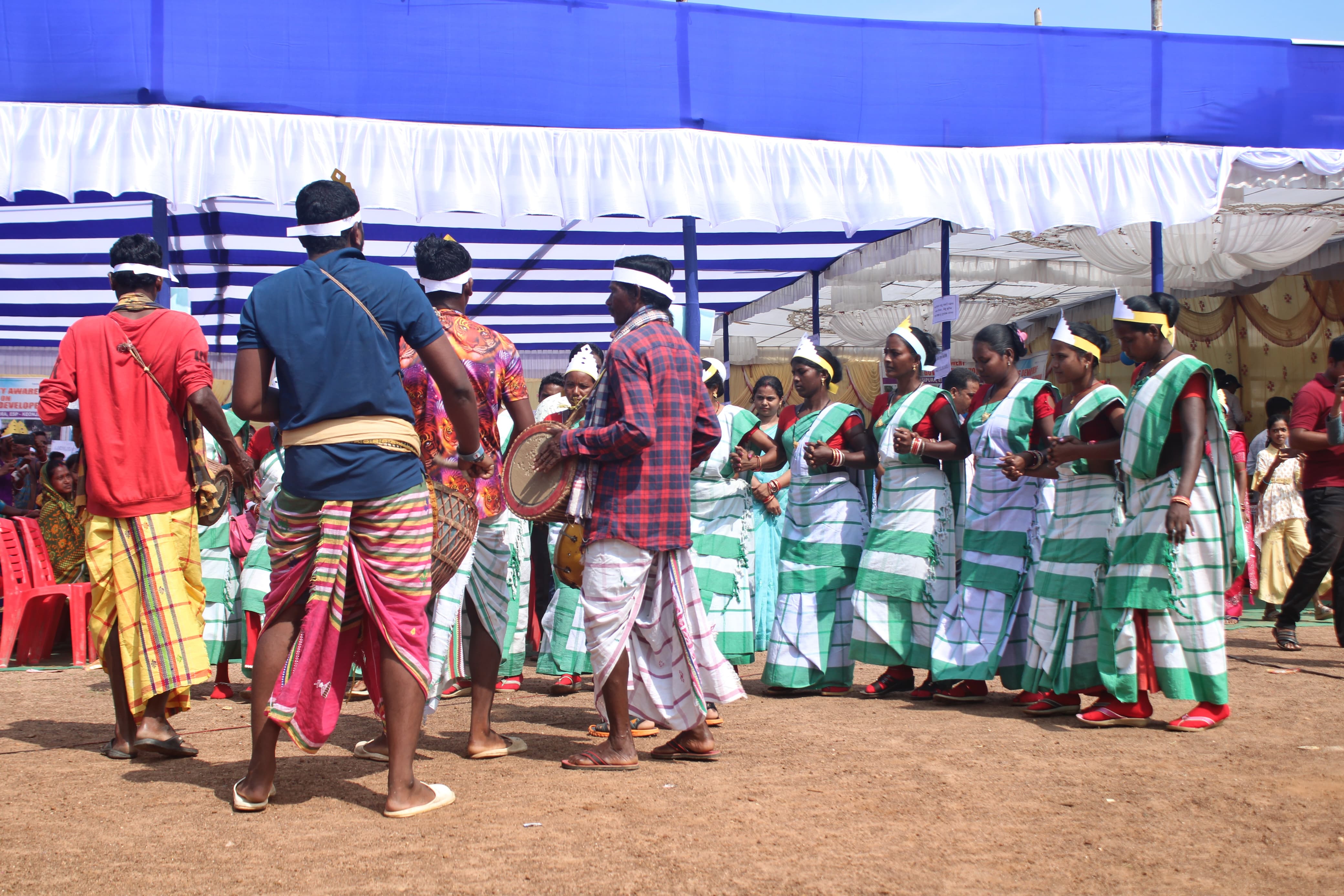
Second Chances: Bridge to Mainstream
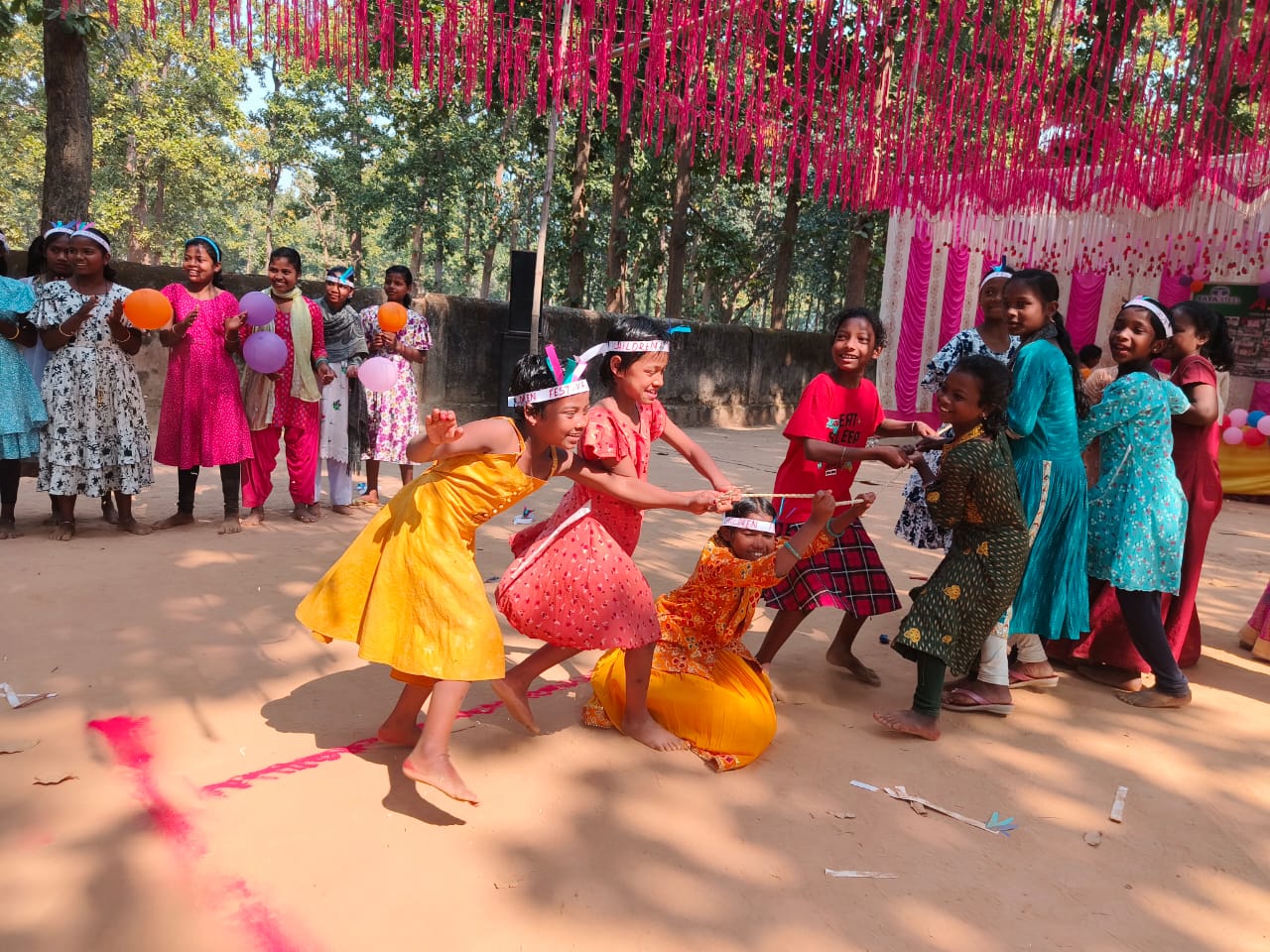
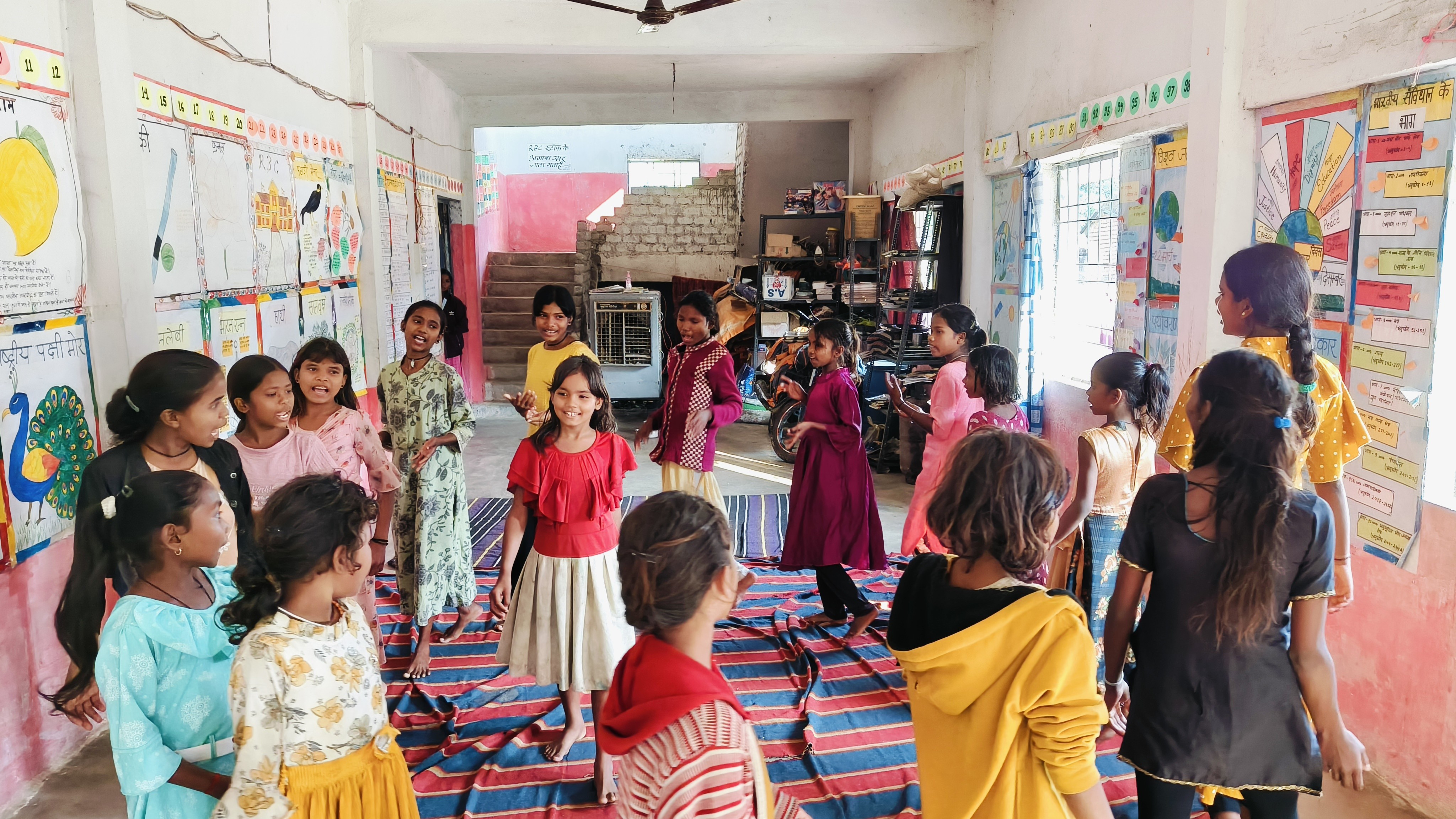
For children long out of school, ASPIRE runs Residential Bridge Course (RBC) and Non-Residential Bridge Course (NRBC) centres where children catch up to grade-appropriate levels before returning to government schools. So far, over 15,000 children have attended RBC centres and baring a few all have been mainstreamed.
Among them was Santoshi Rai — a Class 4 dropout forced to care for her siblings. An ASPIRE field worker enrolled her in a Girls' RBC centre. She went on to win a bronze medal at the 69th National School Games Archery Championship. Her story is becoming the norm.
Classrooms Transformed: FLN, Libraries & Digital Windows
ASPIRE's Foundational Literacy and Numeracy (FLN) programme deploys 4,276 trained volunteers across 5,225 primary schools. It has improved learning for 336,054 children and driving a 20–30% rise in attendance. In the Odisha project area, 99.7% of students now transition from pre-primary to primary — unimaginable a decade ago.
A collaboration with the University of Turku, Finland, has shifted 80% of classroom time to student-led learning, reaching 1785 middle schools and over 200,000 students. Over 6,360 schools have functional libraries, and 173 Community Education Resource Centres (CERCs) connect remote tribal villages to the digital world.
Communities Take True Ownership
The transformation runs deeper than classrooms. In Odisha, 681 schools have submitted School Development Plans under the RTE Act, unlocking approximately USD 15.5 million in government infrastructure funds. Over 549 Girls' Rights Protection Forums with 10,402 members now fight child marriage at the village level.
"When a sarpanch stands up in a gram sabha and declares his panchayat child labour free, that is the moment we have been working towards," says Daya Ram. "It means the community has taken ownership — and that is something no government order or NGO programme alone can manufacture."
A Future Reclaimed
In the tribal heartlands that India's growth forgot, ASPIRE is writing a different story — one child, one habitation, one declaration at a time. Where poverty seemed permanent and child labour an accepted norm, entire communities now stand united to keep every child in school. That is the quiet revolution ASPIRE is leading.
Discover more at New India Abroad.
Leave A Comment
Related







ADVERTISEMENT

ADVERTISEMENT
E Paper
Video

Comments
Start the conversation
Become a member of New India Abroad to start commenting.
Sign Up Now
Already have an account? Login