ADVERTISEMENT
ADVERTISEMENT



Amol Navathe to lead US Medicare advisory commission
Navathe's term as chair will run through April 2029.
-
 Bhavana P
 - Mon, 15, Jun 2026
- 16:38 EDT
- 51
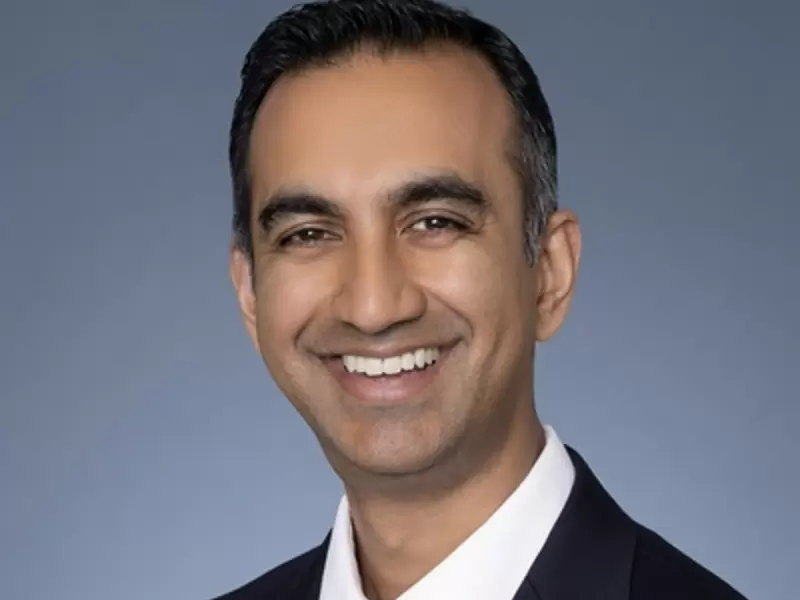 Amol Navathe / Amol Navathe
Indian-American physician and health economist Amol Navathe was appointed chair of the Medicare Payment Advisory Commission, (MedPAC), the U.S. Government Accountability Office (GAO) announced.
MedPAC is an independent, nonpartisan commission that advises Congress on Medicare payment policy and related issues affecting beneficiaries, health plans and providers. The appointment comes as Medicare faces long-term fiscal pressures and ongoing efforts to expand value-based care models.
Also read: Courtney Subramanian elected to White House Correspondents board
Orice W. Brown, acting comptroller general of the United States and head of the GAO, said MedPAC has been giving data-backed recommendations to the lawmakers regarding all Medicare program issues for almost thirty years now.
"I am confident that the new leadership, in collaboration with commission members and staff, will continue to support congressional deliberations with robust, evidence-based information and recommendations,” Brown said.
Commenting on his appointment, Navathe, who has previously served as a MedPAC commissioner and vice chair said, “"I am honored to step into this role and lead MedPAC's work in support of Congress, the Medicare program, and its beneficiaries.”
Navathe is a professor of medical ethics and health policy at the University of Pennsylvania's Perelman School of Medicine and a professor of healthcare management and economics at the Wharton School. He also serves as a senior fellow at the Leonard Davis Institute of Health Economics.
His research focuses on health care financing, behavioral economics and the design of incentives intended to improve patient outcomes while controlling costs. He previously founded The Parity Center at the University of Pennsylvania and has served on the boards of SCAN Health Plan and Hawaii Medical Services Association, both of which operate Medicare Advantage plans.
As chair, Navathe will be tasked with determining how to fund the program, which now insures over 67 million people, while maintaining access and quality for millions of older adults and people with disabilities.
Discover more at New India Abroad.
Related











ADVERTISEMENT

ADVERTISEMENT
E Paper
Video

Comments
Start the conversation
Become a member of New India Abroad to start commenting.
Sign Up Now
Already have an account? Login