ADVERTISEMENT
ADVERTISEMENT



Twelve years that changed India’s place in the world
India’s achievements in space exploration, renewable energy, technology, and diplomacy have reinforced the sense of national pride.
-
 Arun Agarwal
 - Tue, 09, Jun 2026
- 22:12 EDT
- 34
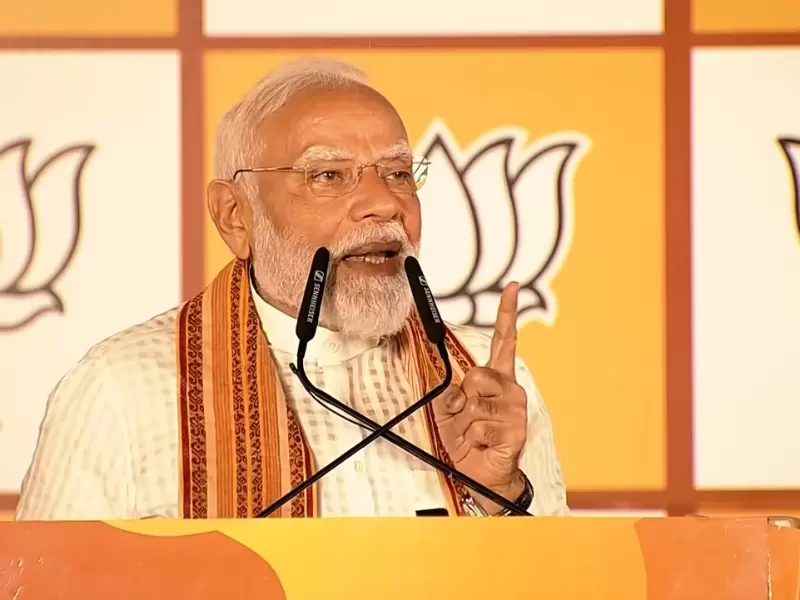
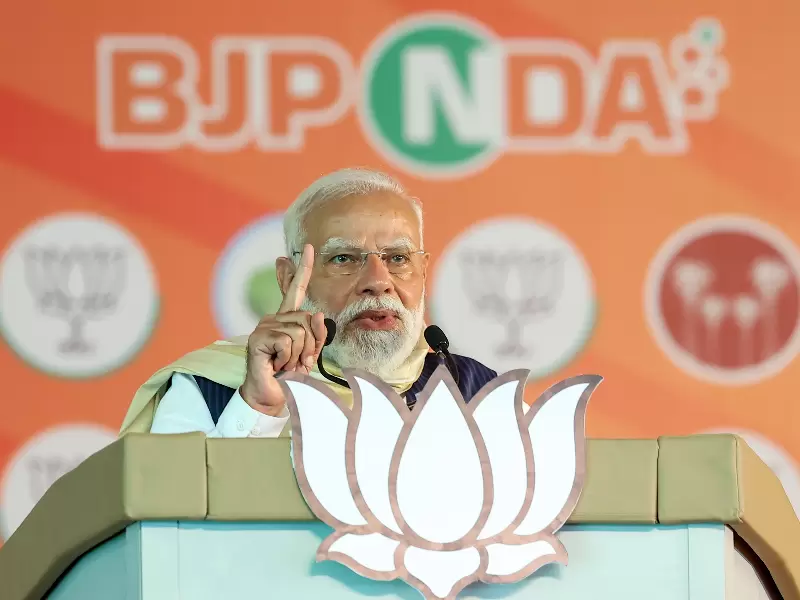 PM Narendra Modi / IANS
As Prime Minister Narendra Modi marks his place among the longest-serving Prime Ministers in India’s history, it is an appropriate moment not merely to celebrate a political milestone, but to reflect on what the past twelve years have meant for India and for the millions of Indians living around the world.
As a member of the Indian diaspora, I have had the privilege of observing India’s transformation from both afar and up close. The India of 2026 is not the India of 2014. While every government inherits strengths and challenges and every leader attracts both supporters and critics, it is difficult to deny that India today stands taller, speaks louder, and commands greater attention on the global stage than it did a decade ago.
For many decades, India was often described as a nation with enormous potential. Today, it is increasingly viewed as a nation realizing that potential.
One of the most visible changes has been India’s emergence as a major economic force. The country has become one of the world’s fastest-growing large economies, attracting investment, expanding manufacturing capabilities, and positioning itself as a key player in global supply chains. Initiatives aimed at improving ease of doing business, strengthening infrastructure, and promoting domestic manufacturing have contributed to a new narrative of confidence and ambition.
Perhaps even more impressive has been India’s digital revolution. Through initiatives that expanded digital payments, financial inclusion, and digital identity, India has created one of the most sophisticated digital public infrastructures anywhere in the world. Millions who were previously outside the formal financial system now have access to banking, digital transactions, and government services. The success of digital platforms such as UPI has become a case study examined by governments and economists worldwide.
Infrastructure, long considered one of India’s greatest challenges, has also witnessed significant progress. Across the country, new highways, airports, rail networks, ports, and logistics corridors have changed how people and goods move. While much work remains, the pace of development has accelerated dramatically, creating a foundation for future economic growth.
Beyond economics and infrastructure lies something less tangible but equally important: national confidence.
Also Read: India's job engine strains as Iran war hits remittances and trade
For many Indians living abroad, one of the most noticeable changes over the past decade has been the way India is perceived internationally. Whether in boardrooms, universities, technology companies, diplomatic forums, or cultural institutions, India’s influence has expanded considerably. Global leaders actively seek India’s partnership. International corporations increasingly view India not merely as a market but as a strategic destination for investment and innovation.
This growing stature has also reshaped the relationship between India and its diaspora. Today, overseas Indians are viewed not simply as expatriates but as stakeholders in India’s global success story. The connection between India and its diaspora has become stronger, more visible, and more consequential than ever before.
India’s achievements in space exploration, renewable energy, technology, and diplomacy have further reinforced this sense of national pride. The successful lunar mission, leadership roles in global forums, and efforts to position India as a voice for developing nations have enhanced the country’s international reputation. These accomplishments have inspired millions of Indians, both at home and abroad, to believe that India can compete with the very best in the world.
Of course, no democracy as large and complex as India is without challenges. Robust debate remains essential to the nation’s success. Questions surrounding economic inequality, social cohesion, governance, employment, and institutional reforms deserve thoughtful discussion and continuous attention. The strength of Indian democracy lies in its ability to accommodate diverse viewpoints while pursuing national progress.
Yet history often judges leaders not only by the controversies they encounter but by the direction in which they move their countries. In that respect, the last twelve years will likely be remembered as a period that accelerated India’s rise and altered global perceptions of what India can achieve.
As Prime Minister Modi reaches this historic milestone, supporters see validation of a vision centered on development, national confidence, and global engagement. Critics may disagree with aspects of that vision, as is their democratic right. But few would dispute that India today occupies a more prominent place in global affairs than it did a decade ago.
For members of the Indian diaspora, this transformation has been deeply personal. Every achievement by India is celebrated in communities across North America, Europe, Africa, the Middle East, and Asia. We witness firsthand the growing respect for Indian talent, Indian entrepreneurship, Indian culture, and Indian leadership.
The story of modern India is still being written. Much remains to be accomplished before the aspiration of becoming a fully developed nation is realized. But the past twelve years have demonstrated what is possible when a nation believes in its future and commits itself to pursuing it.
As India continues its journey toward becoming a leading global power, this milestone serves not only as recognition of one leader’s longevity but as a reminder of a country’s remarkable transformation and the aspirations of 1.4 billion people.
For those of us in the diaspora, it is a moment of reflection, gratitude, and optimism. India’s rise is no longer merely a prediction. It is increasingly becoming a reality.
(Arun Agarwal is a Dallas businessman with a high profile in civic engagement)
(The views and opinions expressed in this article are those of the author and do not necessarily reflect the official policy or position of New India Abroad.)
Discover more at New India Abroad.
Related





ADVERTISEMENT

ADVERTISEMENT
E Paper
Video

Comments
Start the conversation
Become a member of New India Abroad to start commenting.
Sign Up Now
Already have an account? Login