ADVERTISEMENT

ADVERTISEMENT



Sikh Coalition backs religious worker visa reform
The community organization also suggested further easing of R-1 rules to reduce difficulties faced by visa holders and applicants.
-
 Jeffin T. Kaleekal
 - Thu, 12, Feb 2026
- 22:58 EST
- 22
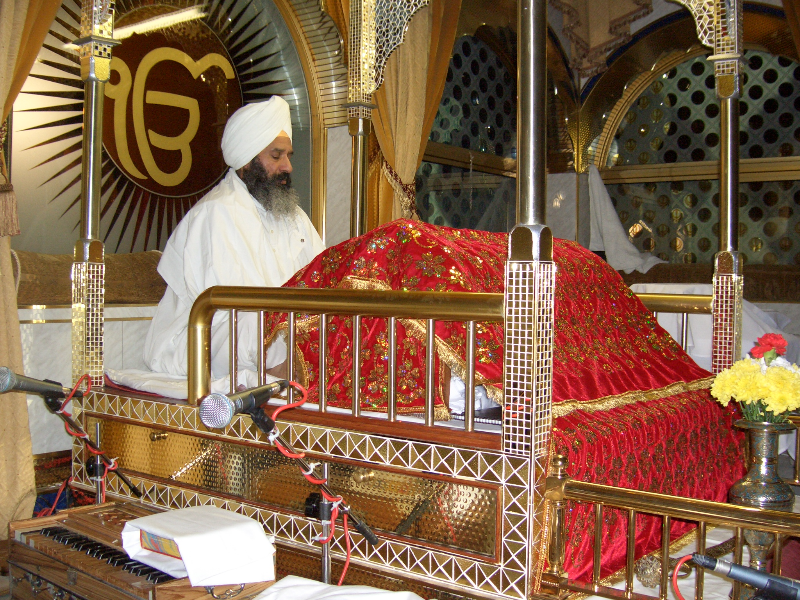 A Granthi reciting from the Guru Granth Sahib / Wikimedia commons
The Sikh Coalition recently came out in support of the Trump administration’s decision to eliminate the requirement that R-1 religious workers who reach their five-year maximum stay must spend at least one year outside the United States before seeking readmission.
Issued by the Department of Homeland Security, the interim final rule is open for comments until March 17, allowing individuals and organizations to formally submit feedback on proposed regulations before they are finalized.
In feedback submitted to DHS, the organization acknowledged that Sikhs rely on foreign-born granthis (readers and exegetes of the Sikh holy scripture), ragis (Sikh devotional hymn singers), and other religious workers who maintain religious practice, education and community life.
ALSO READ: U.S. eases return rules for religious workers
Hailing the administration for easing R-1 immigration laws, the Sikh Coalition said the R-1 visa “recognizes the vital role that foreign-born religious workers play in faith-based communities nationwide.” It described the interim final rule as a meaningful step toward ensuring continuity of service in places of worship across the United States.
The group noted that the previous one-year departure requirement had caused disruptions to religious institutions by interrupting essential services provided by religious workers. These include scriptural exegesis, youth education, spiritual counseling and supervision of religious ceremonies. “The removal of this requirement has now partially alleviated such disruptions,” it said.
The community organization also suggested further easing of R-1 rules to reduce the difficulties faced by R-1 visa holders and applicants. They urged the government to provide provisions allowing new visa issuances without requiring applicants to leave the country. While the update ends the minimum one-year gap before re-entry, applicants must still depart the U.S. before obtaining a renewed visa.
Additionally, the Sikh Coalition called for a reduction in wait times, noting that “a substantial number of religious workers now hold approved Form I-360 petitions but have priority dates that are not assigned within the five-year period allotted for their stay.”
As a result, it said, many are unable to file adjustment applications before exhausting their authorized R-1 stay and are required to depart the United States despite continued compliance with immigration requirements.
Discover more at New India Abroad.
Related







ADVERTISEMENT

ADVERTISEMENT
E Paper
Video

Comments
Start the conversation
Become a member of New India Abroad to start commenting.
Sign Up Now
Already have an account? Login