ADVERTISEMENT
ADVERTISEMENT



Indian American leaders welcome ruling on abortion pill access
The ruling temporarily restores access to mifepristone via telehealth and mail, even as a federal appeals court moves to restrict its distribution nationwide.
-
 Malvika Choudhary
 - Mon, 04, May 2026
- 17:57 EDT
- 87
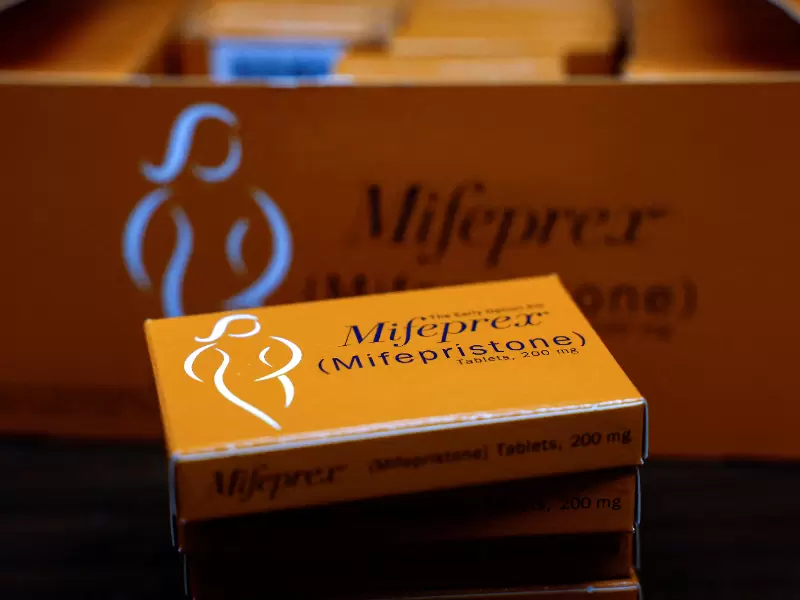 Boxes of Mifepristone, the first pill in a medical abortion, are seen at Alamo Women's Clinic in Carbondale, Illinois, U.S., April 9, 2024. / REUTERS/Evelyn Hockstein/File Photo
Indian American political leaders backed the restoration of access to mifepristone after the U.S. Supreme Court issued a temporary stay, following a federal appeals court order restricting the drug.
Former Vice President Kamala Harris said in a social media post that “Mifepristone is safe and effective health care, and access to health care should be a right for every American.”
Also Read: Abortion pill makers ask US Supreme Court to restore mail-order access
Congresswoman Pramila Jayapal described the Supreme Court’s move to restore access as “the right decision,” adding that the drug has a long-established safety record. “As this case proceeds, we must continue to fight back against Republican efforts to try to ban abortion nationwide,” she said.
Congressman Raja Krishnamoorthi said the ruling restoring access was temporary and emphasized broader concerns over individual choice. “Every American should be able to make their own health care decisions. We must keep fighting to protect that right,” he said.
This comes amid an escalating legal battle over abortion access in the United States. Mifepristone, approved more than two decades ago by the U.S. Food and Drug Administration, is used in a majority of medication abortions nationwide.
On May 1, the 5th U.S. Circuit Court of Appeals reinstated requirements for in-person dispensing of mifepristone, effectively blocking prescriptions from being mailed nationwide.
The decision stemmed from a lawsuit led by Louisiana officials challenging federal regulations that had allowed telemedicine prescriptions and mail delivery of the drug
On May 4, the U.S. Supreme Court issued an administrative stay, temporarily restoring nationwide access to mifepristone through pharmacies, telehealth, and mail while it considers emergency appeals from drug manufacturers. The stay is limited in duration and leaves the broader legal questions unresolved, with further proceedings expected in federal courts.
Discover more at New India Abroad.
Related








ADVERTISEMENT

ADVERTISEMENT
E Paper
Video

Comments
Start the conversation
Become a member of New India Abroad to start commenting.
Sign Up Now
Already have an account? Login