ADVERTISEMENT

ADVERTISEMENT



Salman Bhojani calls for ‘education freedom’ for Muslim Texans
The letter called on Acting Comptroller Kelly Hancock to end this exclusion and ensure equal treatment for every faith community.
-
Rwittika Chakraborty
- Fri, 20, Feb 2026
- 01:35 EST
- 18
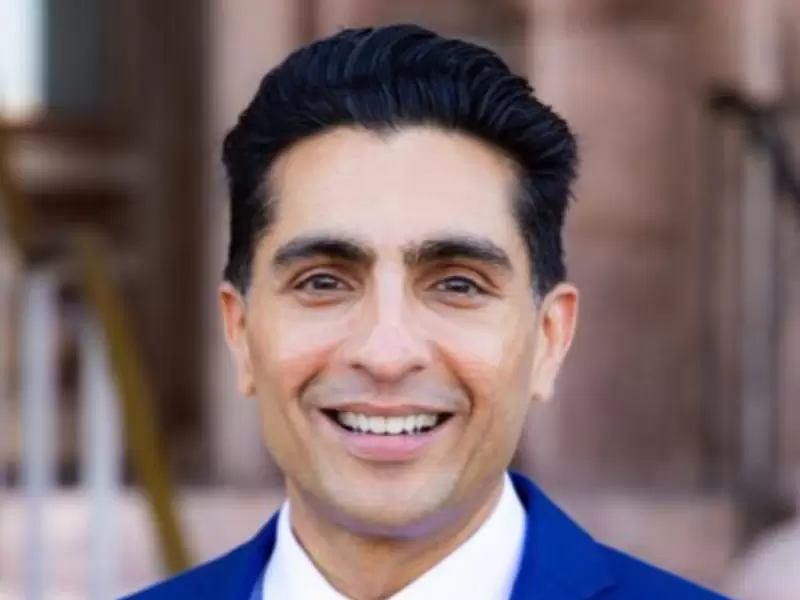 Texas State Representative Salman Bhojani. / X/@SalmanBhojaniTX
Texas State Representative Salman Bhojani, of District 92, along with other Democratic lawmakers, has demanded that Acting Comptroller Kelly Hancock ensure that accredited Muslim private schools are not excluded from the state’s new Education Freedom Account program.
Bhojani, who was the first Muslim American to hold elected office in Euless, took to X and claimed that while Texas is supposed to ensure education freedom for all, Muslim Texans are ‘currently being locked out.’
ALSO READ: Texas bill seeks to allow Hindu, Muslim and Sikh priests officiate weddings
In a letter dated Feb. 19, 2026, addressed to Acting Comptroller Kelly Hancock, members of both the Texas House of Representatives and Senate contend that, despite over 1,500 private schools having been approved for the private school voucher program, not a single accredited Muslim school is eligible.
The three-page letter, containing 12 signatures, urges the Comptroller’s Office to adopt a transparent and non-discriminatory approval process, providing individualized factual findings before excluding any school, and establish a clear timeline for resolving pending eligibility determinations.
Texas was promised "Education Freedom" for all—but Muslim Texans are currently being locked out.
— Salman Bhojani (@SalmanBhojaniTX) February 19, 2026
The State has approved 1,500+ schools for the private school voucher program, yet not a single accredited Muslim school is eligible. We’re calling on Acting Comptroller Hancock to… pic.twitter.com/S7milDFM95
They called on Acting Comptroller Kelly Hancock to end this exclusion and ensure equal treatment for every faith community.
The lawmakers further argued that selectively excluding Muslim schools could violate constitutional protections while mentioning several possible legal risks if current practices continue.
The letter also alleged that some schools were initially approved and later removed without clear explanation or individualized findings.
The lawmakers concluded by urging Hancock to ‘rectify this disparity without further delay’ and ensure that Muslim Texans have equal access to the benefits afforded to other faith-based communities.
Related







ADVERTISEMENT

ADVERTISEMENT
E Paper
Video

Comments
Start the conversation
Become a member of New India Abroad to start commenting.
Sign Up Now
Already have an account? Login