ADVERTISEMENT
ADVERTISEMENT



North Carolina labor chief backs federal rule on H-1B wages
The proposal seeks to tighten prevailing wage standards to prevent employers from using H-1B visas to fill jobs at below-market pay.
-
 Malvika Choudhary
 - Tue, 28, Apr 2026
- 17:15 EDT
- 159
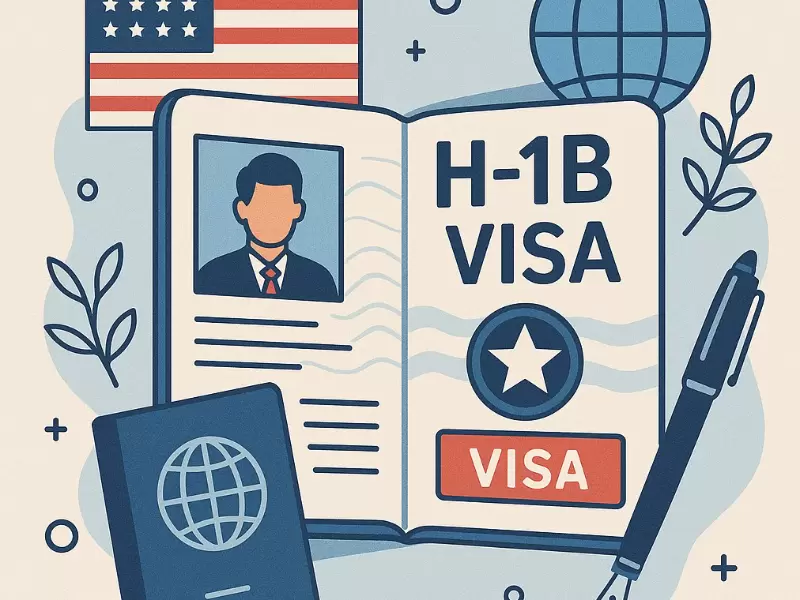 H-1B visa / Lalit K Jha/ New India Abroad
Luke Farley, North Carolina’s labor commissioner, backed a proposed federal rule targeting wage practices in the H-1B visa program, aligning with broader efforts by the Trump administration to tighten labor protections for U.S. workers.
In a letter to Brian Pasternak at the United States Department of Labor, Farley said the proposal would “reduce incentives to hire H-1B foreign visa workers over American workers,” arguing that existing policies allow wages to fall below market levels.
Also Read: How the new H-1B wage proposal could affect Indians
H-1B visas take jobs from American and North Carolina workers. Last week, I submitted official comments in support of a new rule proposed by the Trump Administration to make sure H-1B visa holders don’t undercut wages for American workers. You can read my full comments below. pic.twitter.com/OqwVCCEtg4
— Luke Farley (@LukeFarleyNC) April 28, 2026
“Right now, our workers are being hurt by foreign visa programs that depress wages,” Farley wrote, pointing to “loopholes in prevailing wage policy” that he said enable some employers to fill jobs at below-market rates.
He added that the outcome is “downward pressure on wages” and “fewer opportunities for American workers.”
Farley said employers using visa programs should be required to pay wages that “truly reflect the market” and not “undercut qualified American workers.” He also warned against visa programs becoming “a backdoor way to replace, bypass, or cheapen the value of the American worker.”
“Foreign visa holders shouldn’t be better off than American workers,” Farley wrote. “No more discount labor at the expense of American citizens.”
In a March 2026 notice, the United States Department of Labor stated that a new proposed rule would raise required wage levels across skill levels to better reflect local market pay and prevent employers from paying below-market wages.
If this proposed rule were to be finalized, then it would represent one of the most significant changes to the H-1B and PERM wage requirements in over two decades.
Discover more at New India Abroad.
Leave A Comment
Related



.jpg)



ADVERTISEMENT

ADVERTISEMENT
E Paper
Video

Comments
Start the conversation
Become a member of New India Abroad to start commenting.
Sign Up Now
Already have an account? Login