ADVERTISEMENT
ADVERTISEMENT



Amid national health cutbacks, California preserves full maternal coverage
Medi-Cal-covered midwife and doula services expand birthing options beyond hospitals.
-
 Ritu Marwah
 - Tue, 30, Dec 2025
- 03:20 EST
- 141
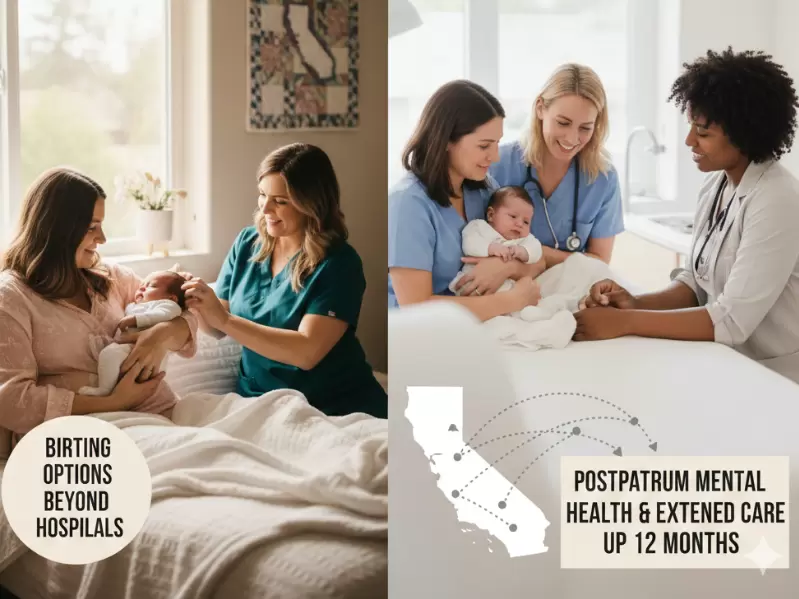 Representative image / AI generated
Emily Meyers gave birth to her son, Grant, on the way to the maternity ward. Two hospitals they passed — Plumas District Hospital in Quincy and Eastern Plumas Health Care in Portola — did not have maternity wards. Another baby boy was born on the side of the 215 Freeway, with his grandmother and aunt assisting the delivery as they rushed to the hospital.
From rural areas near Bakersfield to suburban Monrovia, and in recent high-profile incidents in San Francisco and the Bay Area, roadside births have become a visible symptom of a deeper problem: maternity care is often too far away. In Plumas County, the closure of a rural hospital’s maternity ward in 2022 forced pregnant women to travel at least 70 miles to deliver their babies. New California laws now aim to reverse this trend, bringing maternity services closer to home.
Medi-Cal-covered midwife and doula services expand birthing options beyond hospitals
“The doula and midwifery care are helping to reshape the maternal health care landscape and expand culturally responsive options for Medi-Cal members,” said Raquel Saunders, MS, section chief of Medi-Cal Benefits and Legislation, during an American Community Media briefing. The session marked the third in a six-part series held in partnership with the department examining ongoing developments in Medi-Cal and the CalAIM initiative.
Coverage for doula services during pregnancy, birth and postpartum
To streamline access and reduce barriers, the Department of Health Care Services has issued a standing recommendation for doula services, allowing members to begin receiving care without prior authorization.
Decades of research show doula support can reduce the likelihood of cesarean sections, lower the use of medical interventions and significantly improve childbirth experiences, Saunders said. What marks a major shift is that doula care is now a covered public benefit. Previously, access was largely limited to those who could afford to pay out of pocket.
“With coverage in place, doula services are available to everyone,” Saunders said, calling the policy change a turning point for maternity care.
Covered doula services include an initial visit and up to eight additional visits, which can be used flexibly during prenatal and postpartum periods. Coverage also includes support during labor and delivery, including in cases of stillbirth, abortion or miscarriage, Saunders said.
Additional postpartum visits are available. Medi-Cal members who have used their standard visits may request up to nine additional postpartum visits by submitting the Medi-Cal Doula Services recommendation form, which is available online. A licensed provider — a physician, midwife or nurse — must complete the form.
As of Nov. 15, 2025, DHCS had enrolled 1,098 individual doula providers.
These services are grounded in evidence-based practices and early intervention strategies aimed at preventing birth complications and improving outcomes. Services include emotional and physical support during pregnancy, labor, birth and postpartum, as well as assistance following miscarriage or abortion, health navigation, birth planning, lactation support, prenatal education and referrals to community-based resources.
To help members find a doula, DHCS maintains an online directory listing Medi-Cal-enrolled doulas by county who have opted to be included. The directory includes specialties, languages spoken, ethnicity and contact information and is updated monthly.
Medi-Cal fee-for-service members may use the directory directly. Members enrolled in a Medi-Cal managed care plan should contact their plan’s member services department for assistance accessing doula services, Saunders said.
Even if a hospital does not have a formal doula program, patients have the right to bring a doula with them, as the services are covered by health insurance.
Midwifery services
In addition to doula services, Medi-Cal covers midwifery care, offering further options for birthing individuals.
California recognizes two types of midwives: certified nurse midwives and licensed midwives. Both may practice independently without physician supervision and are trained to care for individuals with healthy, low-risk pregnancies. Services include prenatal care, emotional support and delivery assistance in hospitals, birth centers or at home. Midwives do not perform surgeries such as cesarean sections.
In March 2024, following extensive stakeholder engagement, DHCS updated Medi-Cal policy to ensure both certified nurse midwives and licensed midwives can provide and bill for clinically appropriate maternal and perinatal services.
Difference between a doula and a midwife
Midwives and doulas follow distinct training and certification pathways. Certified nurse midwives are registered nurses who complete graduate-level education in midwifery, typically earning a master’s or doctoral degree, along with extensive clinical training. This enables them to provide full medical care during pregnancy, birth and postpartum.
Doulas are trained in nonclinical support, typically completing focused training programs that emphasize physical, emotional and informational assistance. Many pursue additional certifications in areas such as breastfeeding support or postpartum mental health.
“Midwives in California deliver about 13% of vaginal births, the majority of which occur in hospitals,” said Eva Goodfriend-Reano, a certified nurse midwife in Alameda County. “But midwives attend births in hospitals, freestanding birth centers and homes.”
Postpartum mental health and extended coverage
Pregnant Californians are eligible for full-scope Medi-Cal regardless of immigration status, from the start of pregnancy through 12 months after birth.
There has been a noticeable increase in postpartum depression and anxiety, making early and continuous care more critical. California’s extended maternity coverage allows providers to screen for physical, emotional and psychosocial concerns throughout the first year after birth and intervene early.
Postpartum doula support is especially valuable for individuals experiencing mood and anxiety disorders. In-home assistance — such as infant care, light meal preparation or help with older children — can significantly reduce stress and aid recovery.
Together, ongoing midwifery care and extended postpartum doula services provide a layered support system, particularly as maternity wards continue to close in parts of the state.
“I imagine that in more rural areas it can be harder to find doula and midwife services,” Goodfriend-Reano said. “We know maternity centers are closing across the state, and people have to travel farther to receive care.”
“We do have a significant shortage,” she added. “We are doing everything we can to increase access to midwifery training programs in California.”
Leave A Comment
Related












ADVERTISEMENT

ADVERTISEMENT
E Paper
Video

Comments
Start the conversation
Become a member of New India Abroad to start commenting.
Sign Up Now
Already have an account? Login