ADVERTISEMENT
ADVERTISEMENT



Why diaspora must reject abusive rhetoric toward any U.S. president
Critiquing a President’s immigration policy is legitimate, but resorting to bad language vilifying the office of the President is not.
-
1744365251.png) Editorial Board
Editorial Board - Mon, 01, Dec 2025
- 23:04 EST
- 16
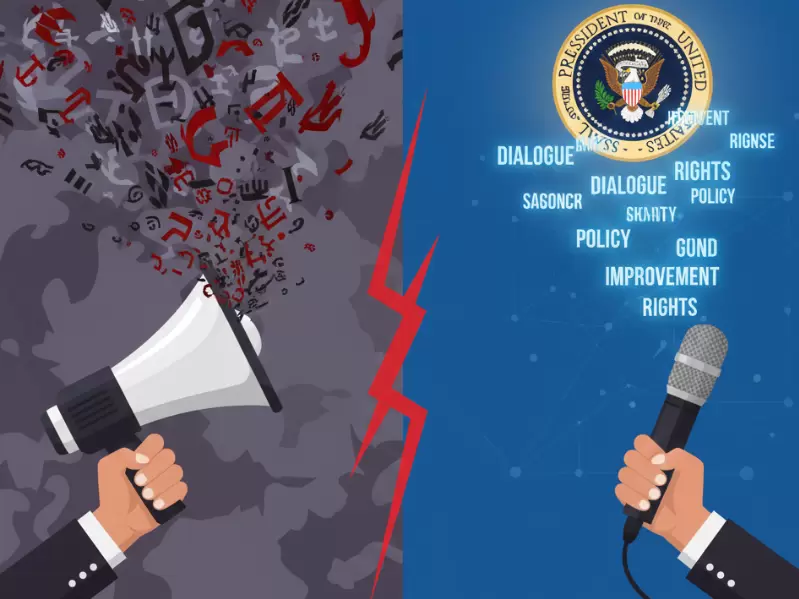 Representative image / AI generated
Public advocacy is a fundamental right in the United States. Communities, businesses, and lobbying groups routinely voice concerns—even sharp disagreements—over policy. That is the essence of democracy. But when criticism descends into personal abuse aimed at an elected President, it crosses a line that ultimately harms not only public discourse but also the credibility of the very groups seeking to influence policy.
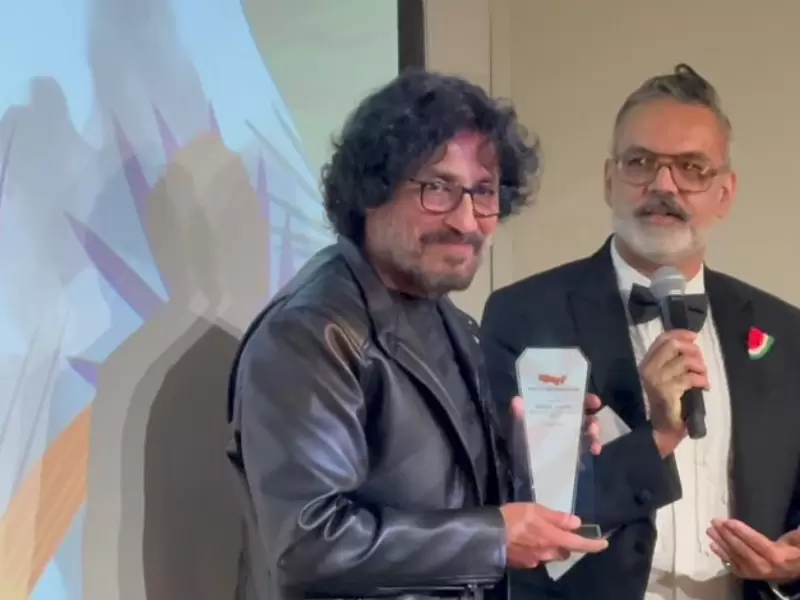
A recent controversy surrounding remarks allegedly made at an ITServe Alliance event—the undated and unverified video of the unidentified speaker is now widely circulated online—has drawn significant backlash.
The statements, delivered in an atmosphere meant to represent Indian-American small and mid-sized IT businesses, were not simply critical. They were disrespectful, personalised, and unbecoming of a community that has long prided itself on professionalism, civility, and constructive engagement with American institutions.
Several observers outside the community, including the MAGA outlets, immediately seized on the remarks.
The Project for Immigration Reform wrote: “….Policy differences aside, who talks about a president like this?”
Another pro-jobs-for-Americans account, Expose H1B Fraud, framed the moment starkly: “The Indian tech cartel is openly bullying and cornering the President.”
The Indian tech cartel is openly bullying and cornering the President of the United States. pic.twitter.com/IMF9fbUfAz
— Expose H1B Fraud (@JobsNowPaper) December 1, 2025
Critiquing a President’s immigration policy is legitimate. Arguing that certain changes harm high-skilled immigrants is legitimate. But resorting to language that belittles, mocks, or vilifies the office of the President is not.
Indian-Americans have worked hard to earn respect in the United States. Precisely because of its growing influence, the community must hold itself to a higher standard of responsibility.
The rhetoric used does not reflect anybody’s values. An expression of regret would go a long way in reaffirming professionalism. Accepting responsibility is not a sign of weakness; it is a demonstration of maturity.
Related








ADVERTISEMENT
ADVERTISEMENT
E Paper
Video

Comments
Start the conversation
Become a member of New India Abroad to start commenting.
Sign Up Now
Already have an account? Login