ADVERTISEMENT
ADVERTISEMENT



NDA policy for govt officials weakens whistleblowers: Krishnamoorthi
He said the proposed agreement could create uncertainty about federal employees' rights to report misconduct to oversight authorities.
-
 Malvika Choudhary
 - Tue, 09, Jun 2026
- 17:55 EDT
- 30
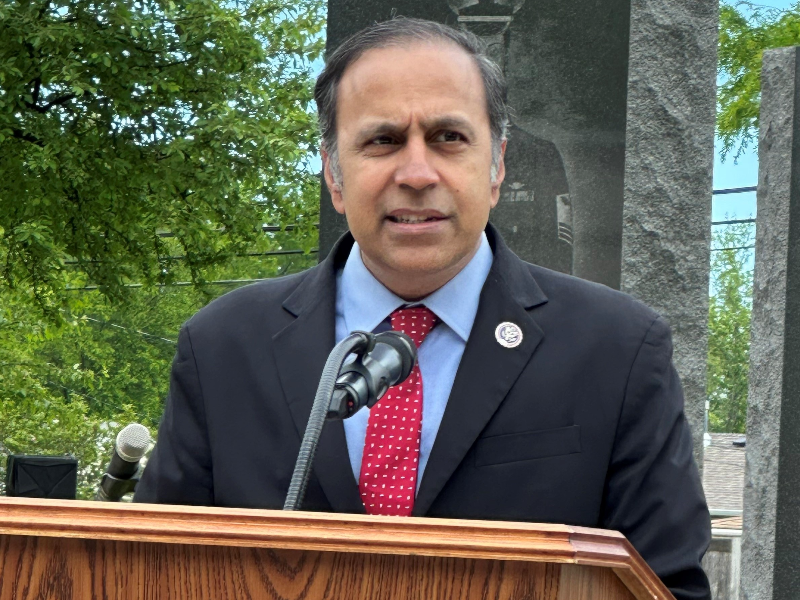 Congressman Raja Krishnamoorthi / IANS
Congressman Raja Krishnamoorthi raised concerns over a Trump administration proposal for a government-wide nondisclosure agreement (NDA) for federal employees, warning that it could discourage whistleblowers from reporting wrongdoing.
In a June 9 letter to Office of Personnel Management (OPM) Director Scott Kupor, the Illinois Democrat said the proposal could weaken whistleblower protections by creating uncertainty over what federal employees can disclose to Congress, Inspectors General, law enforcement agencies, and other oversight bodies.
Also Read: US lawmakers, advocates hail H-1B ruling
“Federal employees should not be forced to guess which communications are permissible and which could expose them to punishment,” Krishnamoorthi wrote in the letter.
He asked OPM to explain how the policy would comply with the First Amendment and federal whistleblower laws.
According to the administration, the proposed NDA is intended to reinforce existing obligations to protect sensitive government information. However, Krishnamoorthi argued that its broad language, particularly its restrictions on "confidential" information, could leave employees uncertain about what communications remain protected under federal law.
He warned that employees who fear discipline, civil liability, or criminal penalties could choose to remain silent rather than report waste, fraud, abuse, misconduct, or violations of law, undermining government transparency and oversight.
The congressman cited legal experts and whistleblower advocates who have criticized the proposal as overly broad. In his letter, he noted that federal whistleblower protections exist to ensure employees can report wrongdoing to Congress, Inspectors General, and other authorized entities without fear of retaliation.
Krishnamoorthi also referenced past congressional investigations during the first Trump administration involving allegations of retaliation against employees who reported misconduct through lawful channels.
He pointed to the case of former National Security Council official Lt. Col. Alexander Vindman, whose treatment became the subject of congressional scrutiny after he raised concerns related to President Donald Trump's 2019 call with Ukraine's president.
The lawmaker further questioned OPM's justification for the proposal. He noted that the agency cited unauthorized disclosures to the media as a reason for adopting the NDA but did not address recent disclosures of sensitive information by senior administration officials. He asked whether the policy would apply equally to career civil servants, political appointees, and senior agency officials.
“The federal government functions best when employees can faithfully execute their duties, report wrongdoing without fear of retaliation, and communicate with authorized oversight entities while appropriately safeguarding sensitive information,” Krishnamoorthi wrote.
Krishnamoorthi requested answers to seven questions by June 24, including how OPM defines "confidential" information, what safeguards exist to prevent overly broad enforcement, whether employees who decline to sign the agreement would face consequences, and whether the agency has assessed the proposal's impact on whistleblowing activity, employee morale, recruitment, retention, and public trust in government institutions.
Discover more at New India Abroad.
Related






ADVERTISEMENT

ADVERTISEMENT
E Paper
Video

Comments
Start the conversation
Become a member of New India Abroad to start commenting.
Sign Up Now
Already have an account? Login