ADVERTISEMENT
ADVERTISEMENT



Paan spit isn’t a cultural export; it stains India’s reputation
When we step into another country, we represent more than ourselves.
-
1759953093.png) Staff Reporter
Staff Reporter - Sun, 07, Dec 2025
- 00:00 EST
- 16
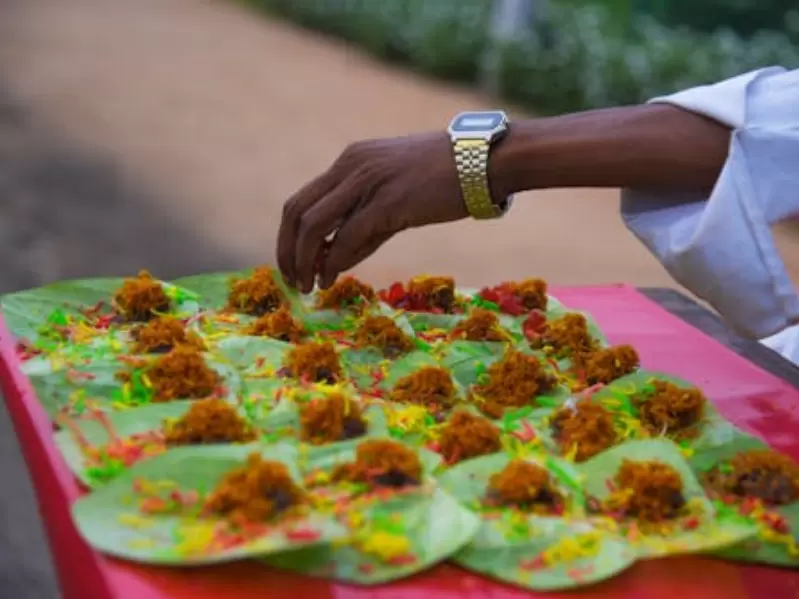 Representative image / Pexels
London didn’t ask for a cultural exchange program involving red paan (residue of chewed betel leaf) splatter on every second pavement. Yet here we are—Wembley’s sidewalks, phone booths, and even flower beds now look like props from a forensic crime drama. And all because someone, somewhere, decided the world was their personal spittoon.
Brent Council is spending nearly $40,000 every year scouring these stubborn, brick-red blotches off public spaces. High-pressure jets can erase decades of grime, but a single glob of gutka (chewed tobacco)? Immovable. Eternal. A crimson signature of bad habits carried lovingly across continents.
The council has now gone full “zero tolerance.” Banners in hotspot neighbourhoods warn residents. Enforcement teams patrol the streets. A fine of £100 sits ready for anyone who decides London pavements deserve a fresh coat of paan lacquer. As one local official put it bluntly: “Don’t mess with Brent.”
But this isn’t just a London problem—Harrow is fuming too. Residents have been posting videos showing dustbins, sidewalks, even shop shutters dappled with paan like some avant-garde mural nobody asked for. Councils have even gone bilingual with signs—in English and Gujarati—because sometimes, the message needs home-language emphasis: “Stop spitting.”
What’s embarrassing is not that people chew paan and gutka; it’s that spitting in public has become so normalised that many don’t even flinch before staining a wall, road, staircase, or train. And let’s be honest: this habit didn’t emerge in Britain. It took a long, expensive journey from back home.
The Indian Price Tag of Spit
While UK councils bleed money battling gutka graffiti, back home the numbers are jaw-dropping: Indian Railways spends $133 million every year cleaning up paan and gutka stains. Repainting. Power jets. Sanitation systems. All because millions of people still think the planet is their ashtray-cum-spittoon.
And just when you think civic sense might have improved after a global pandemic, a new viral video from Patna Metro—days after inauguration—in the Indian state of Bihar shows fresh gutka marks defacing shiny new walls. A metaphor, really, for how public infrastructure repeatedly becomes collateral damage in the war against civic apathy.
This Is Where the Diaspora Comes In
It’s time—long past time—for the global Indian community to play a hygienic, vocal, corrective role.
Not by shaming, but by:
- Telling friends and family—at home and abroad—that spitting in public is not quirky, cultural, or harmless. It’s dirty, disrespectful, and costly.
- Leading by example: if you chew paan or gutka, dispose of it properly.
- Amplifying civic sense within community groups, cultural organisations, temples, gurdwaras, mosques, and associations.
- Normalising conversations about hygiene and public space, not avoiding them because they feel “small.”
- Holding each other accountable—gently, firmly, consistently.
Because the truth is simple:
When we step into another country, we represent more than ourselves. And when we return home, we carry back the habits we practiced abroad.
The diaspora has the unique position—and credibility—to influence behaviour both ways. If London, New Jersey, Melbourne, Dubai, and Singapore can demand clean public spaces, so can Patna, Mumbai, Delhi, and Kolkata.
A Final Word
This is more than about just paan. Or gutka. Or tradition.
This is about dignity in public life, the kind that doesn’t cost money or education—just a moment’s mindfulness.
Spitting on the street is not rebellion. It is not identity. It is not freedom.
It is laziness dressed as habit.
Related











ADVERTISEMENT
ADVERTISEMENT
E Paper
Video

Comments
Start the conversation
Become a member of New India Abroad to start commenting.
Sign Up Now
Already have an account? Login